
CNC Plasma Cutter

CNC Plasma Cutter

A CNC plasma cutting machine developed from the initial mechanical concept to a working system for real workshop operation. The project covered mechanical design, custom Z-axis development, machine assembly, control electronics, communication interfaces, torch height control, software integration, testing, setup and commissioning. The machine was developed around LinuxCNC and QtPlasmaC, with custom electronics used to connect and coordinate the control system with the Jasic CUT 100 plasma source. The project also included several hand-built electronic prototypes for communication, galvanic isolation, torch height control and plasma-source control. The development process moved through CAD, early mechanical prototypes, motion tests, first plasma cutting trials, electrical integration, operator interface development, machine commissioning and later operation in a real workshop environment.

CNC & Machine Building · plasma-cutter

Components

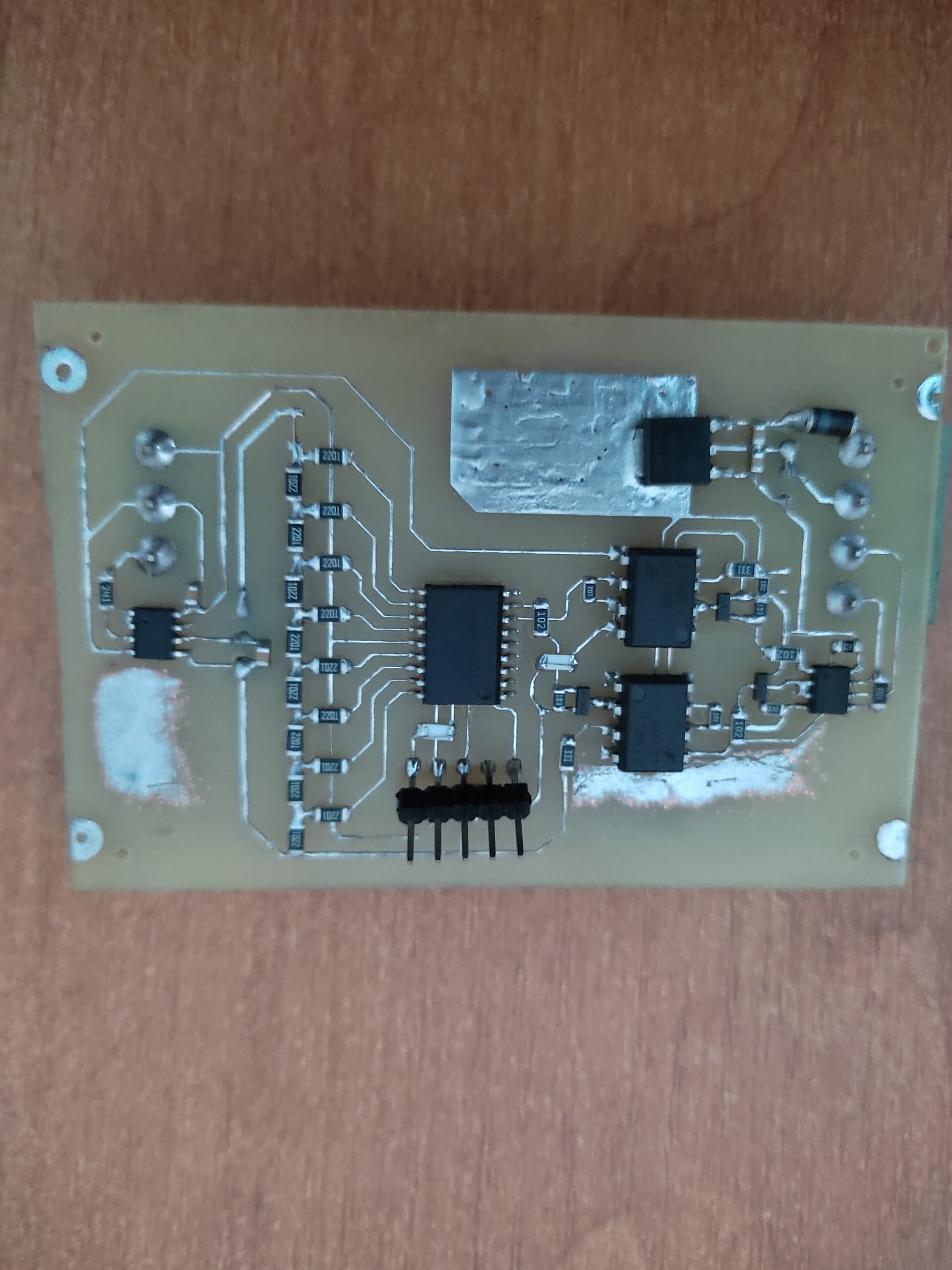
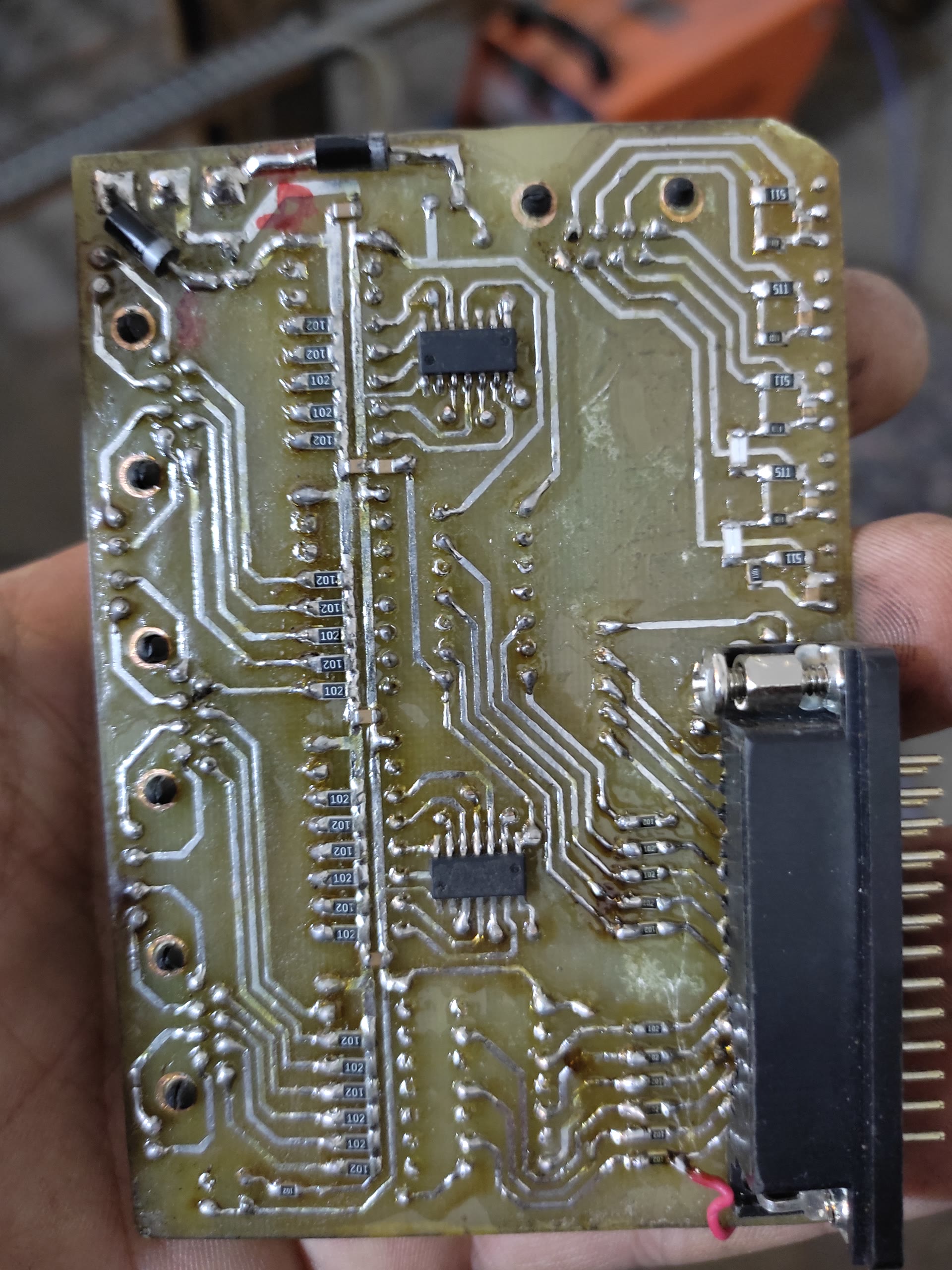
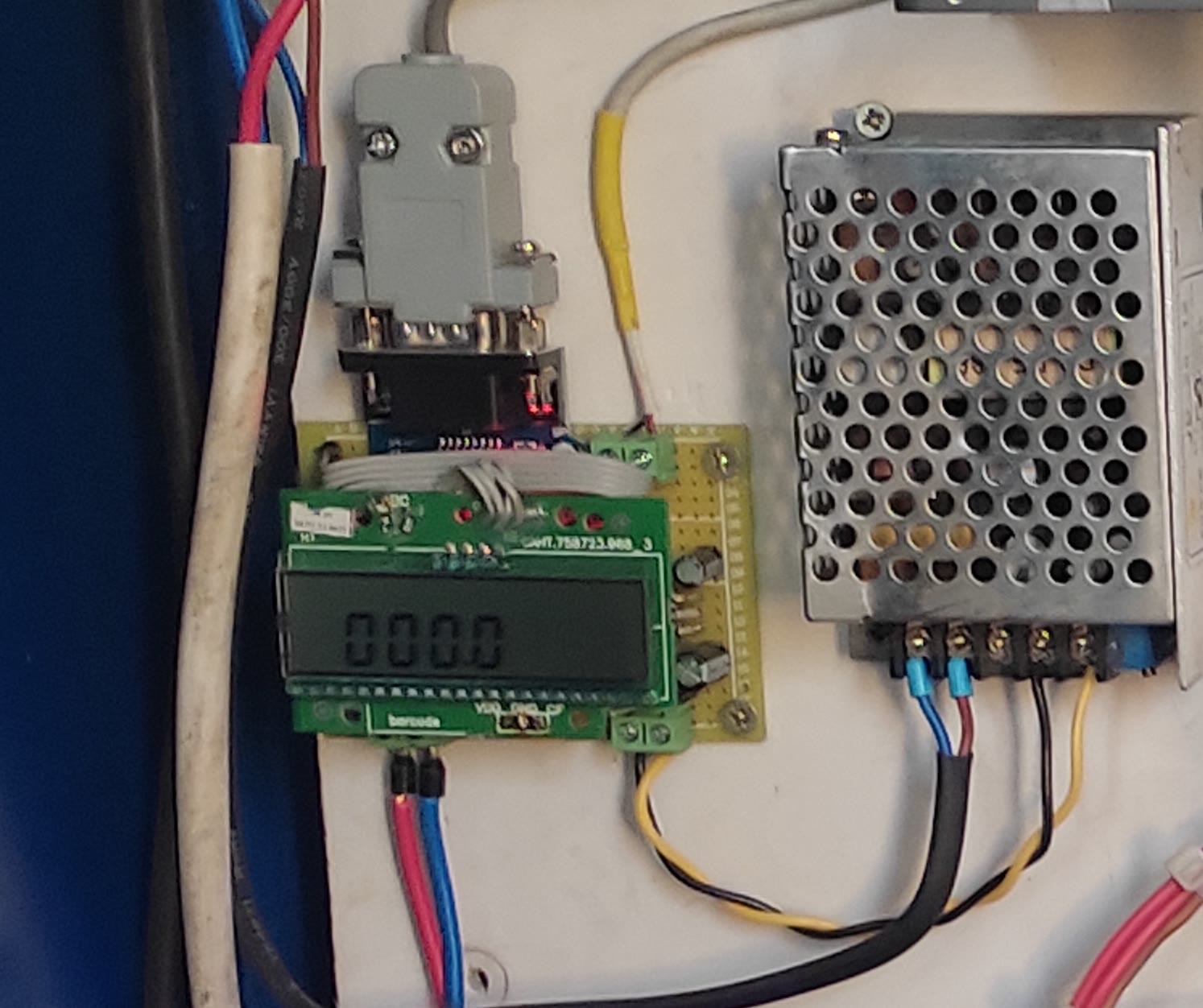
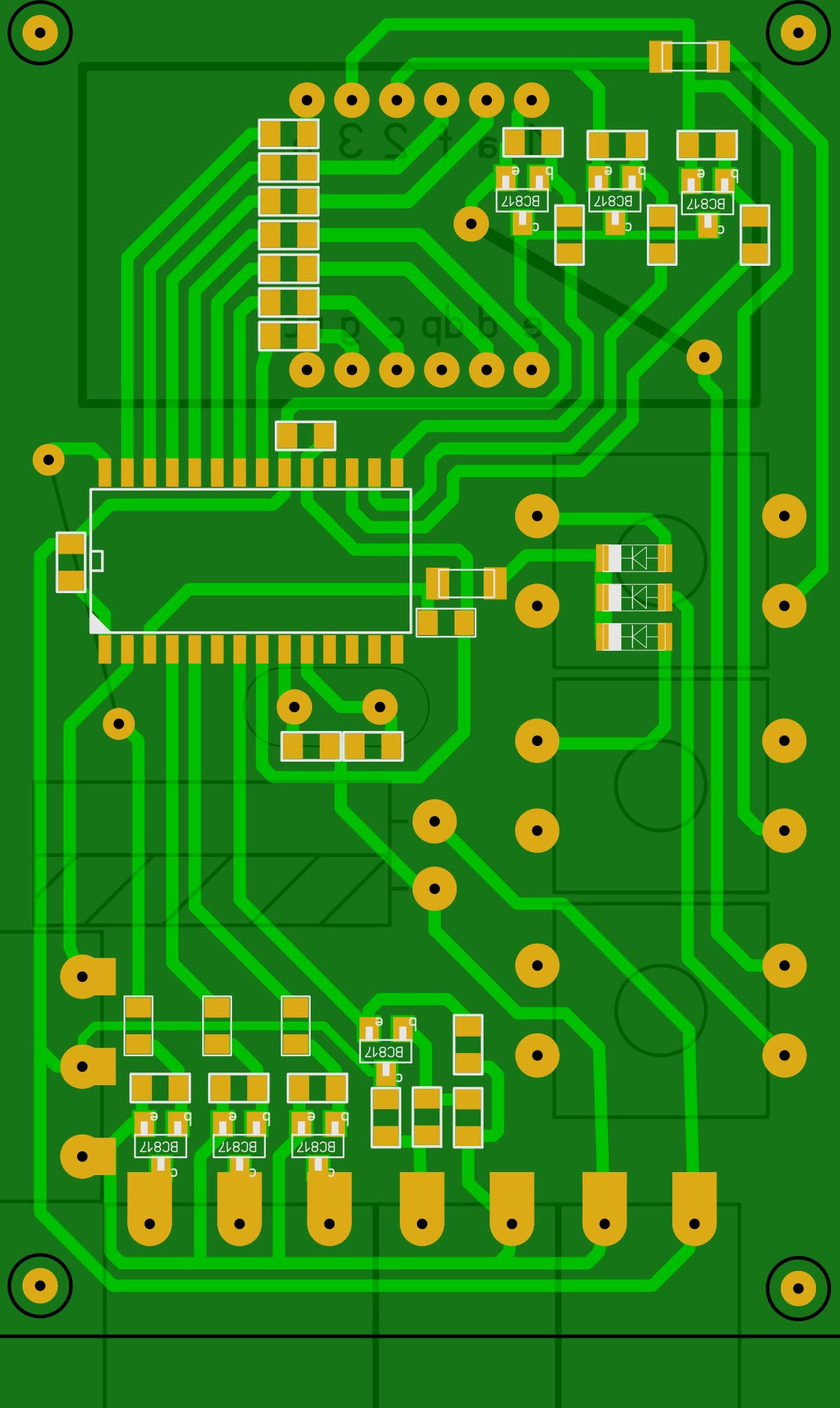
Logical Communication ModuleElectronics & Embedded

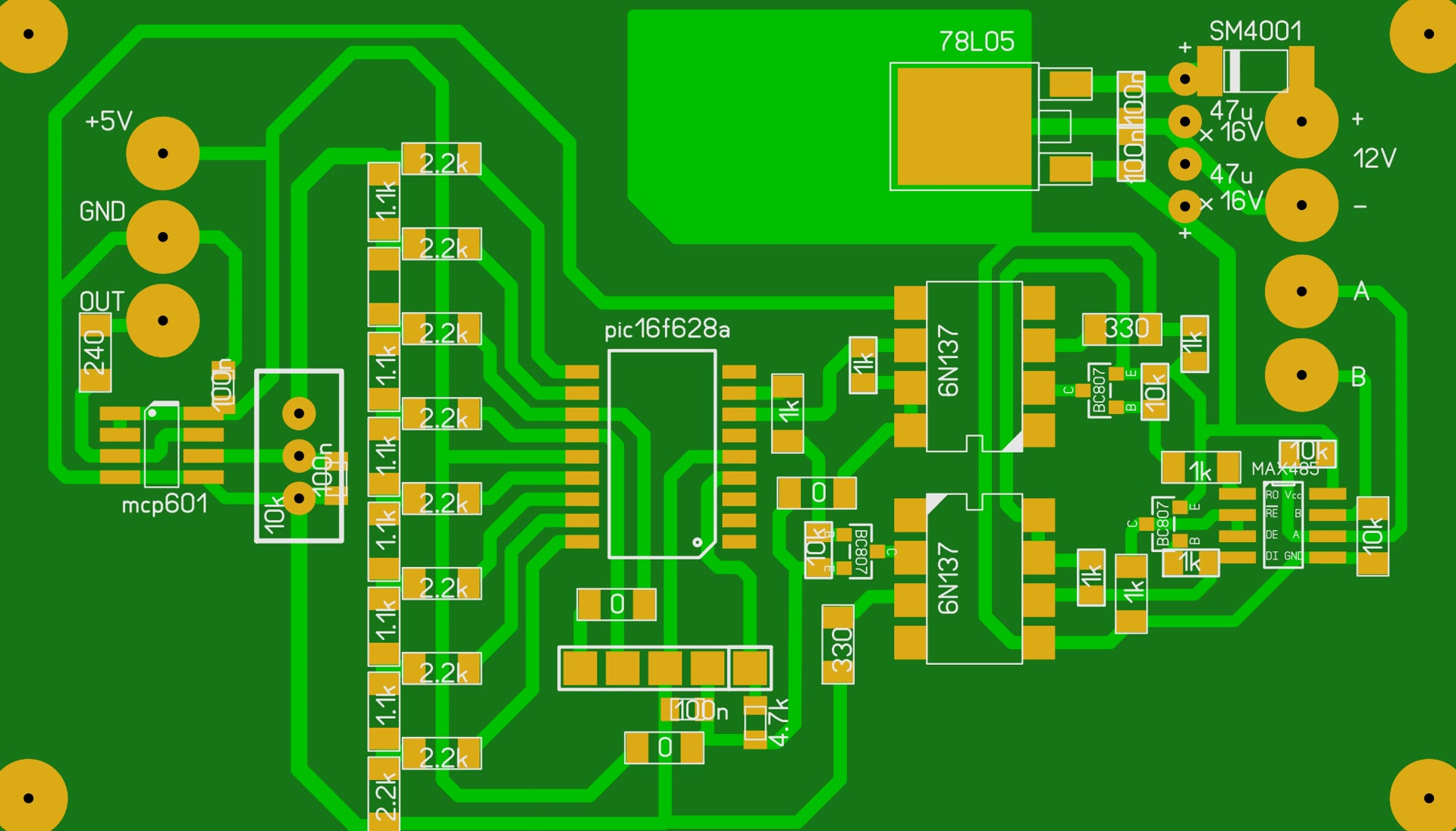
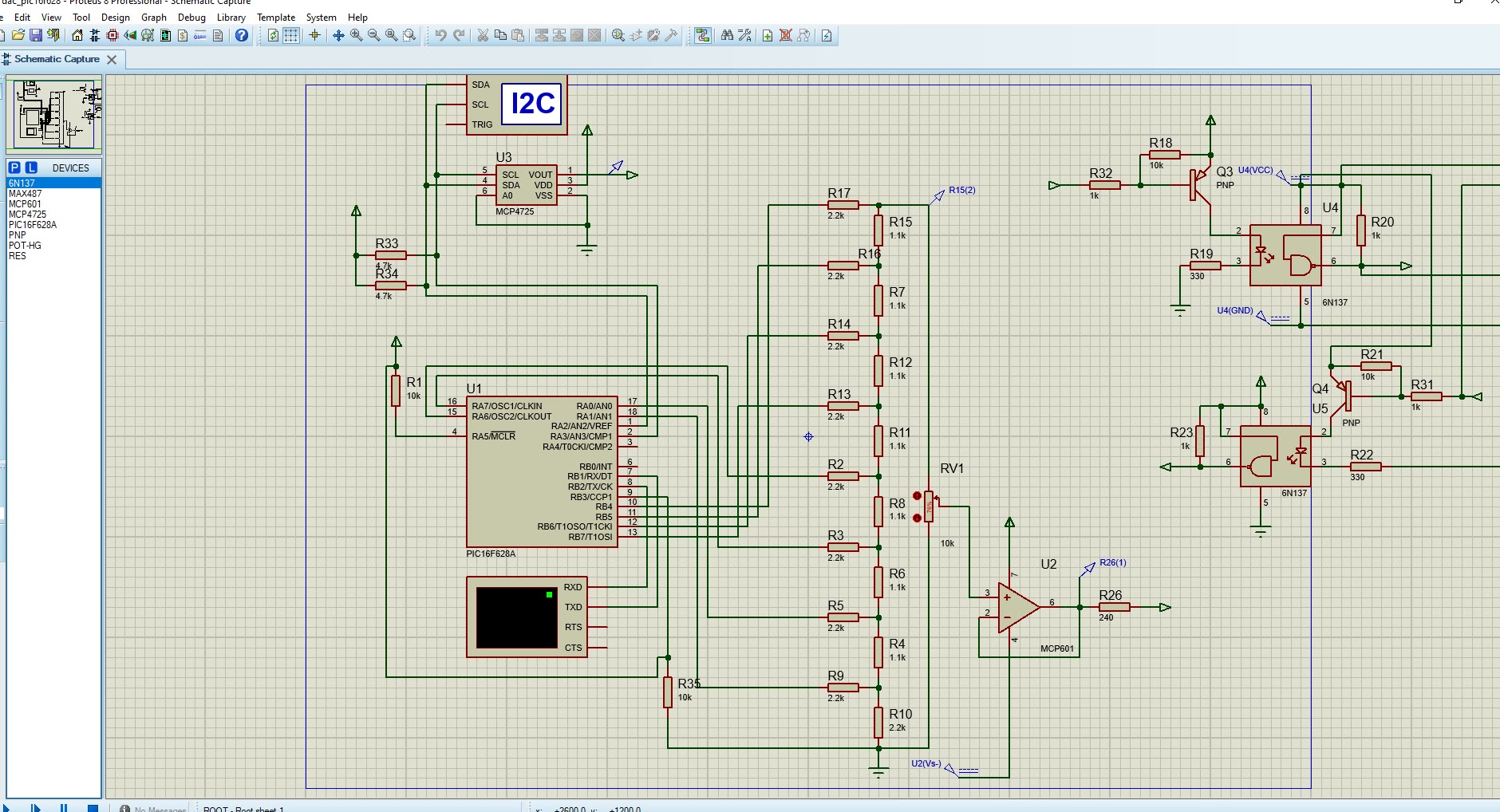
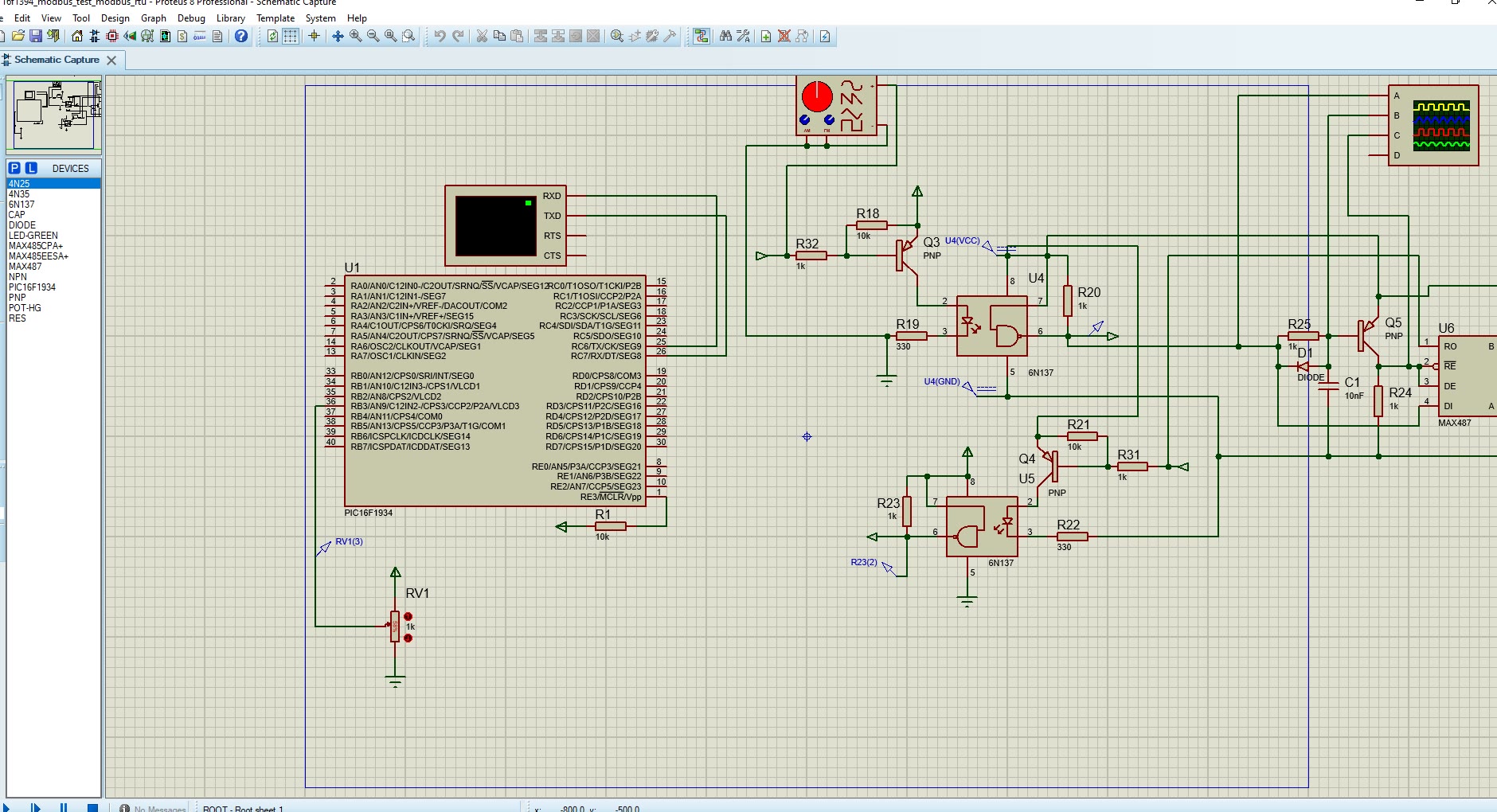
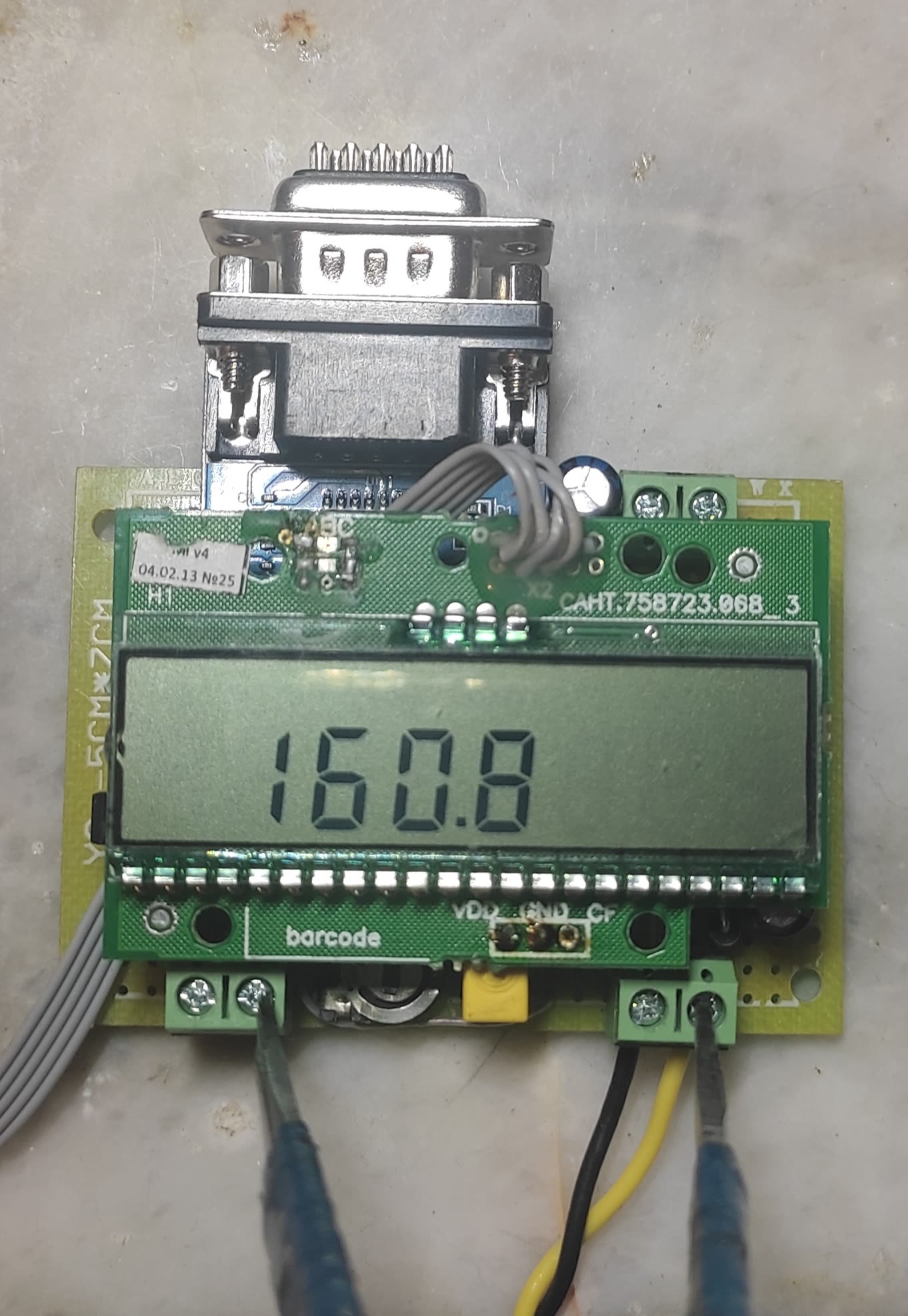
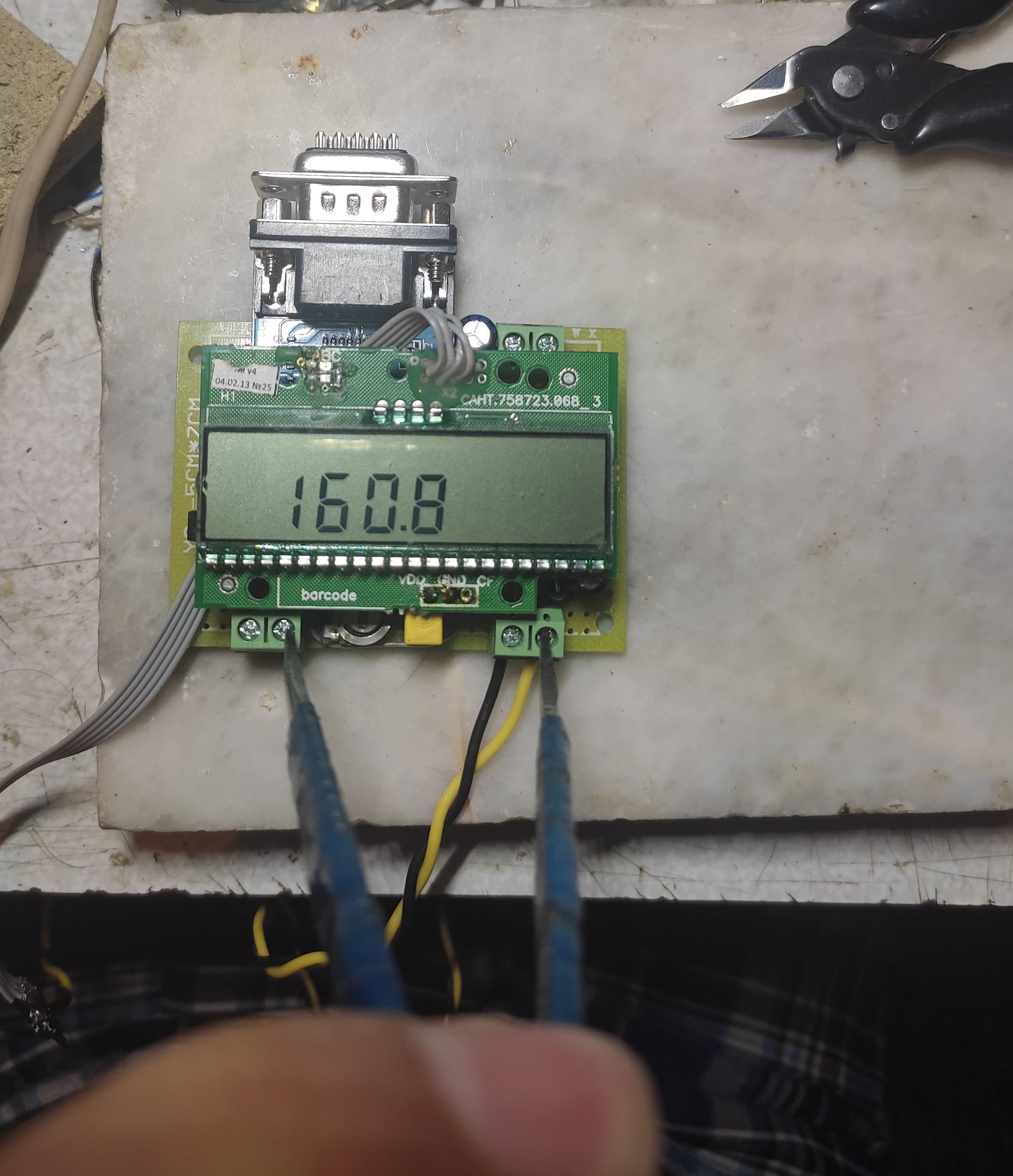
A custom electronic module developed as the logical-signal part of the communication system used in the CNC plasma cutter. The module was designed as an engineering prototype, tested and integrated into the working machine.

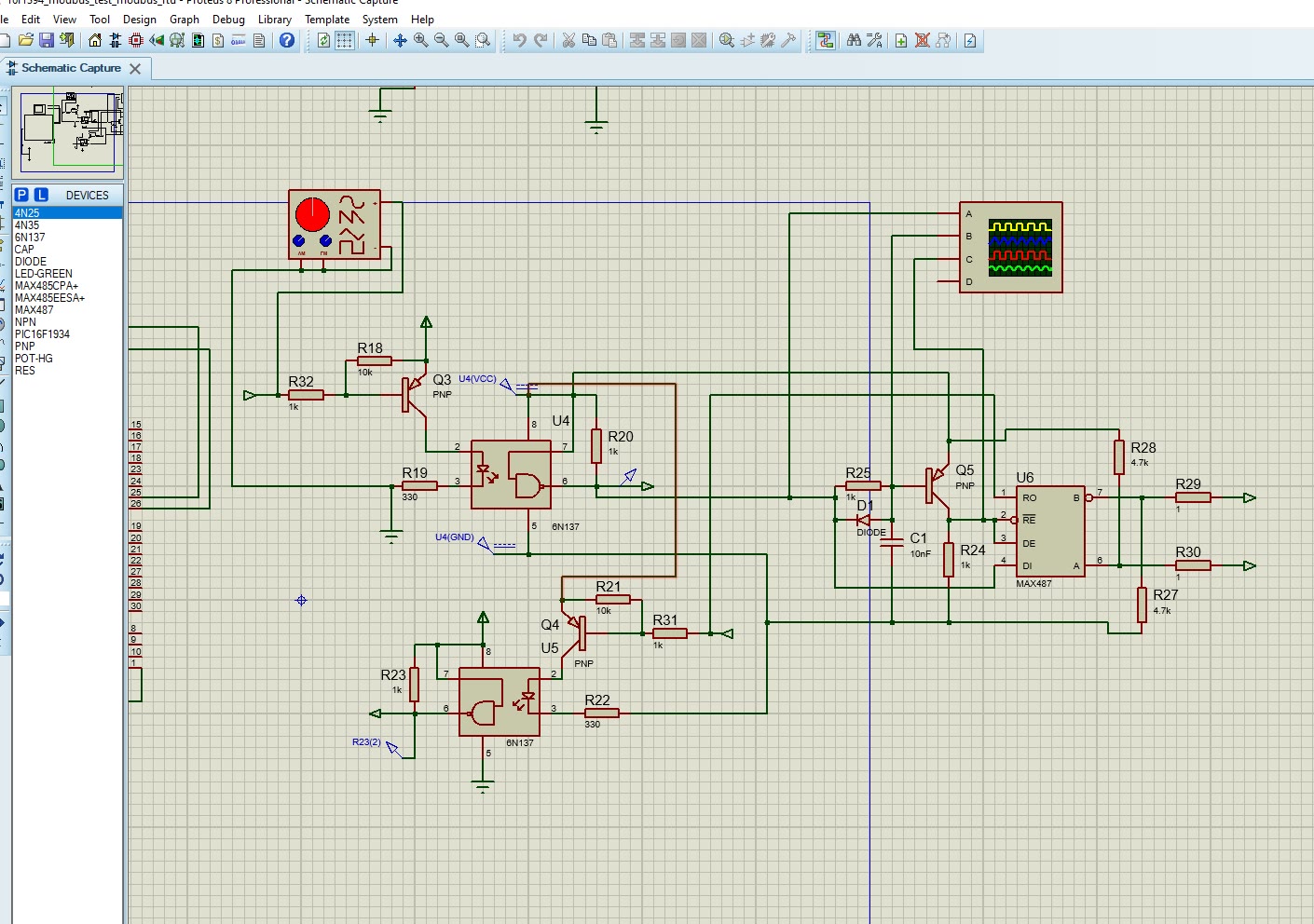
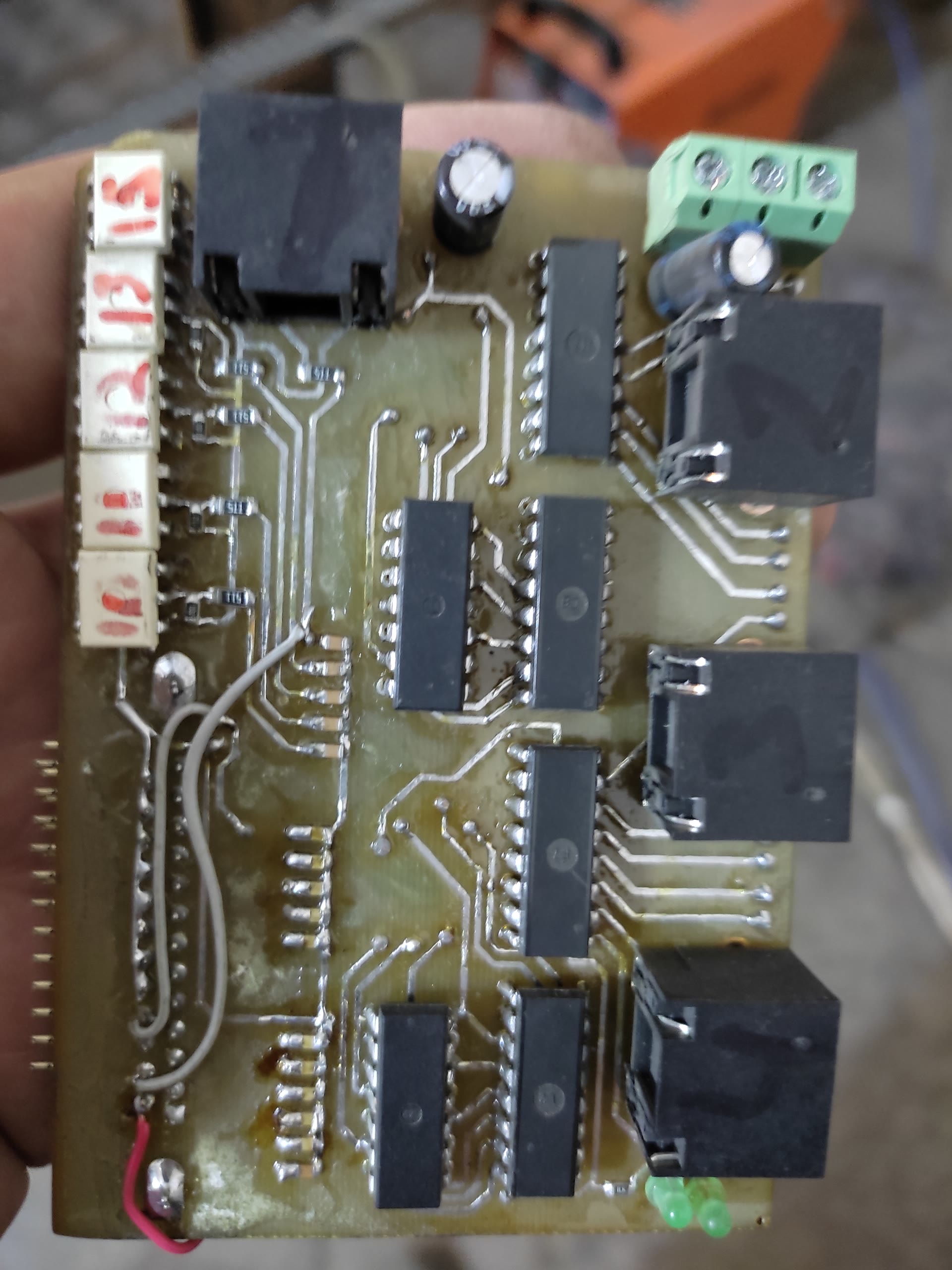
Galvanically Isolated Communication ModuleElectronics & Embedded

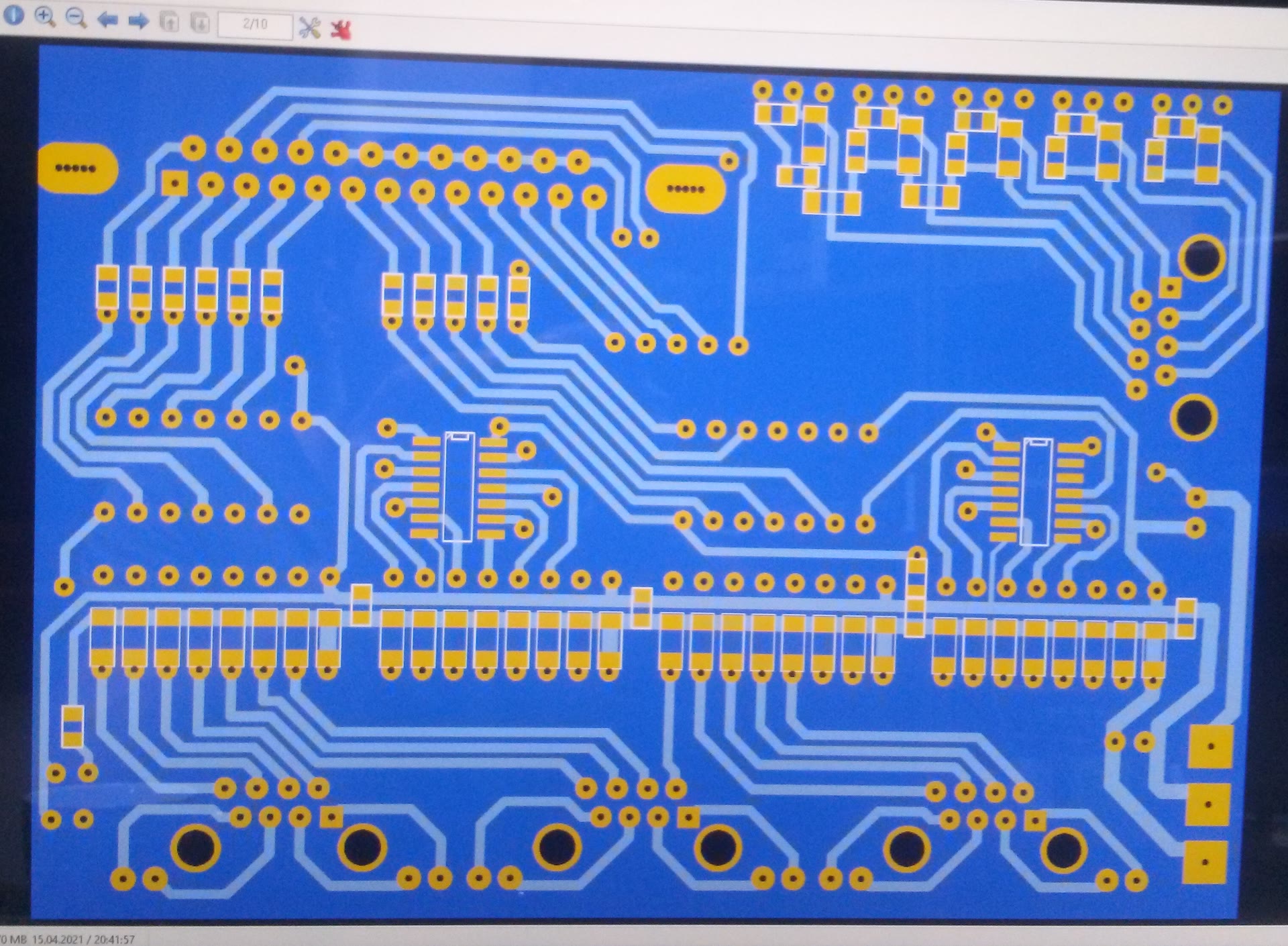
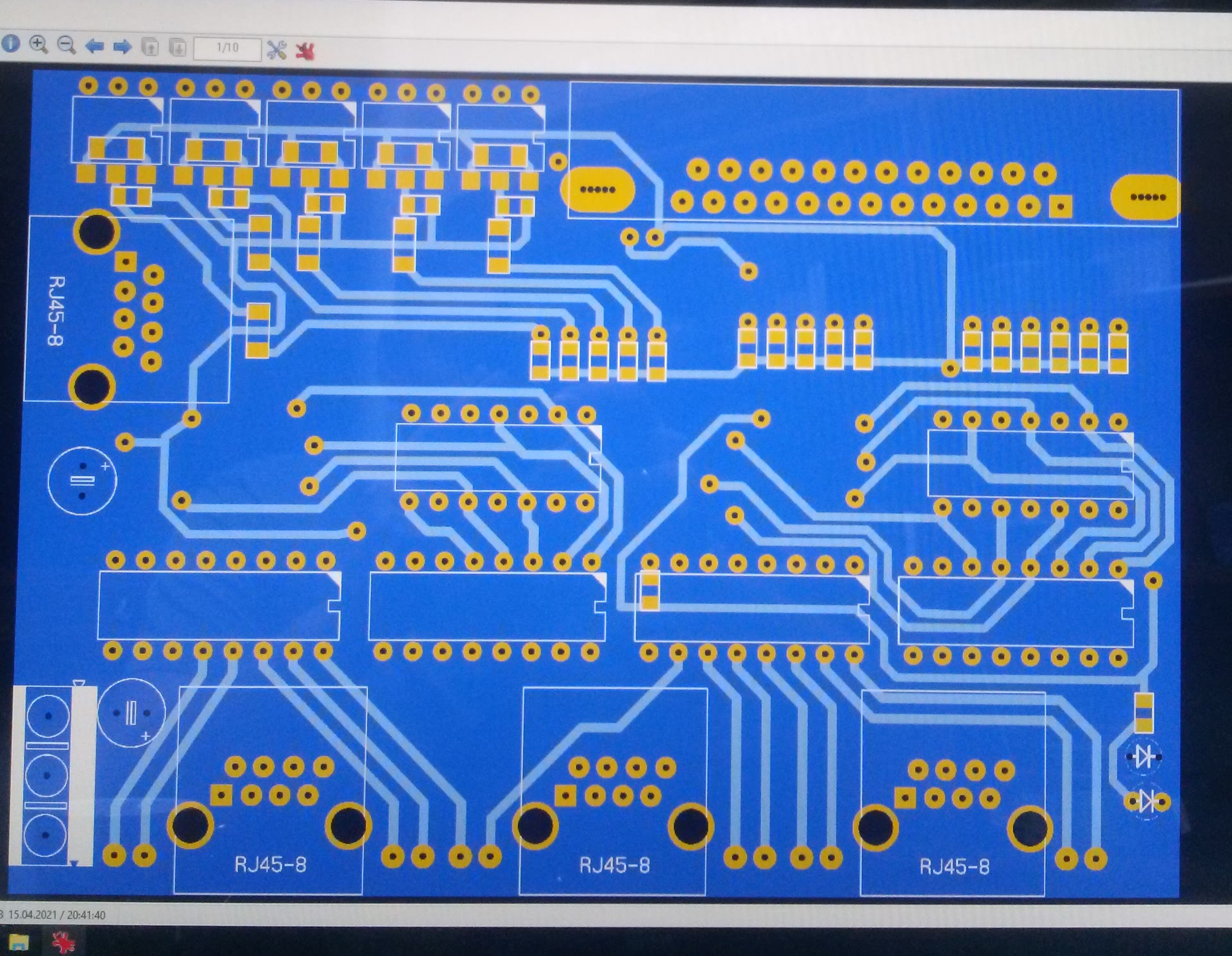
A custom communication module providing galvanic isolation of signal circuits within the communication system of the CNC plasma cutter.

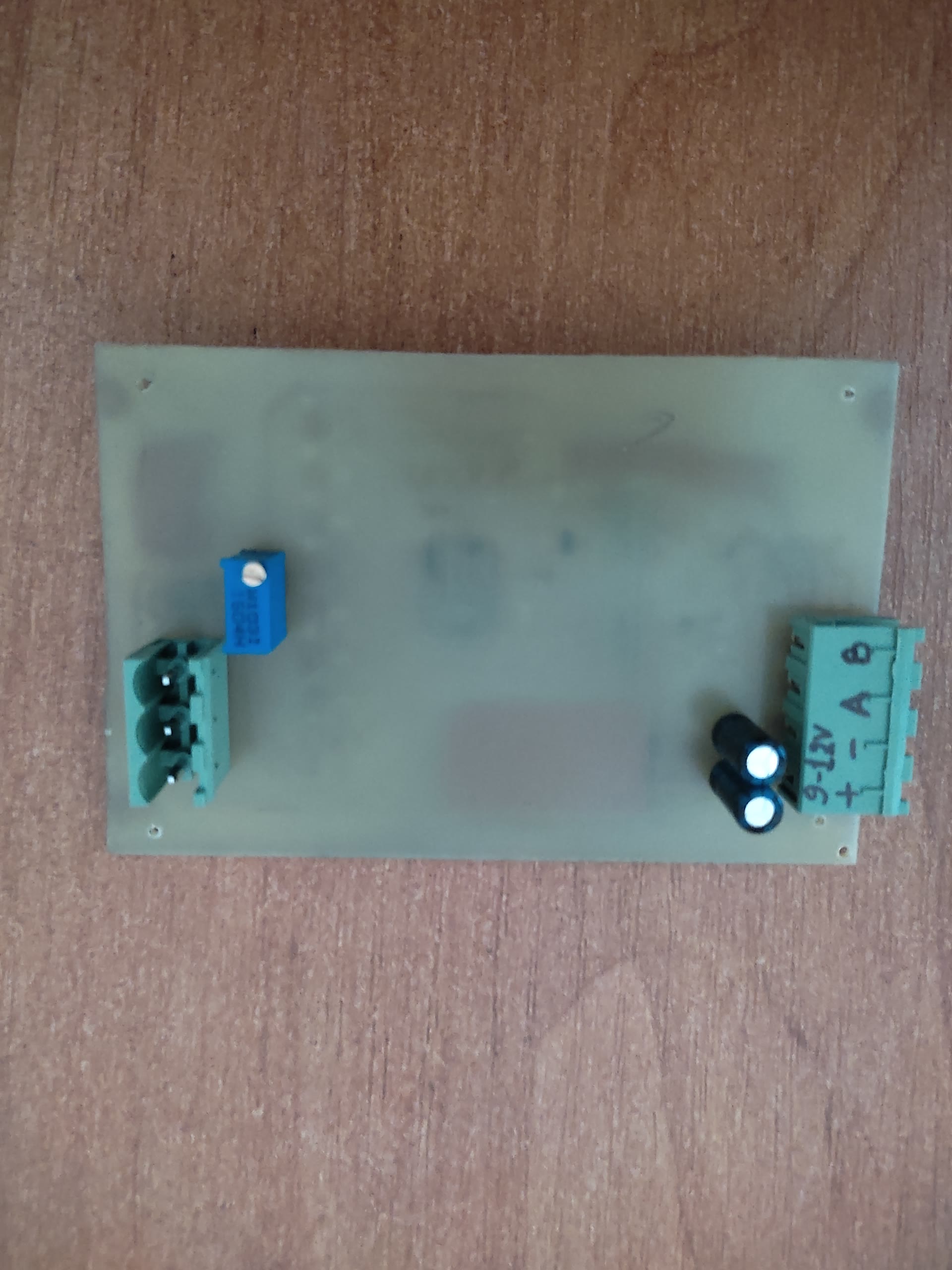
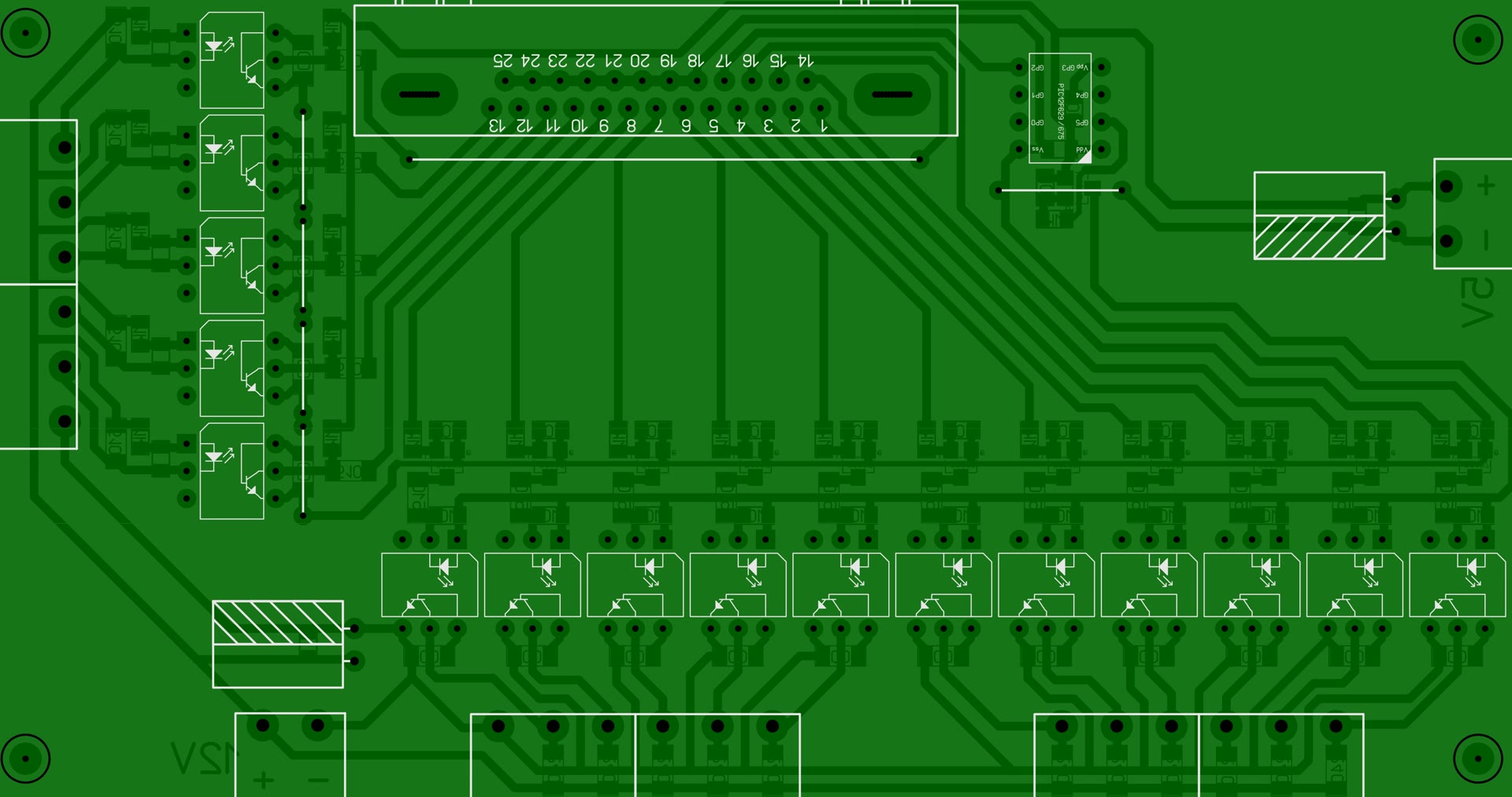
RS-485 Galvanic Isolation ModuleElectronics & Embedded

A separate RS-485 communication and galvanic isolation module developed for the CNC plasma cutter. Its purpose was to electrically isolate control electronics from other signal-side parts of the machine system.

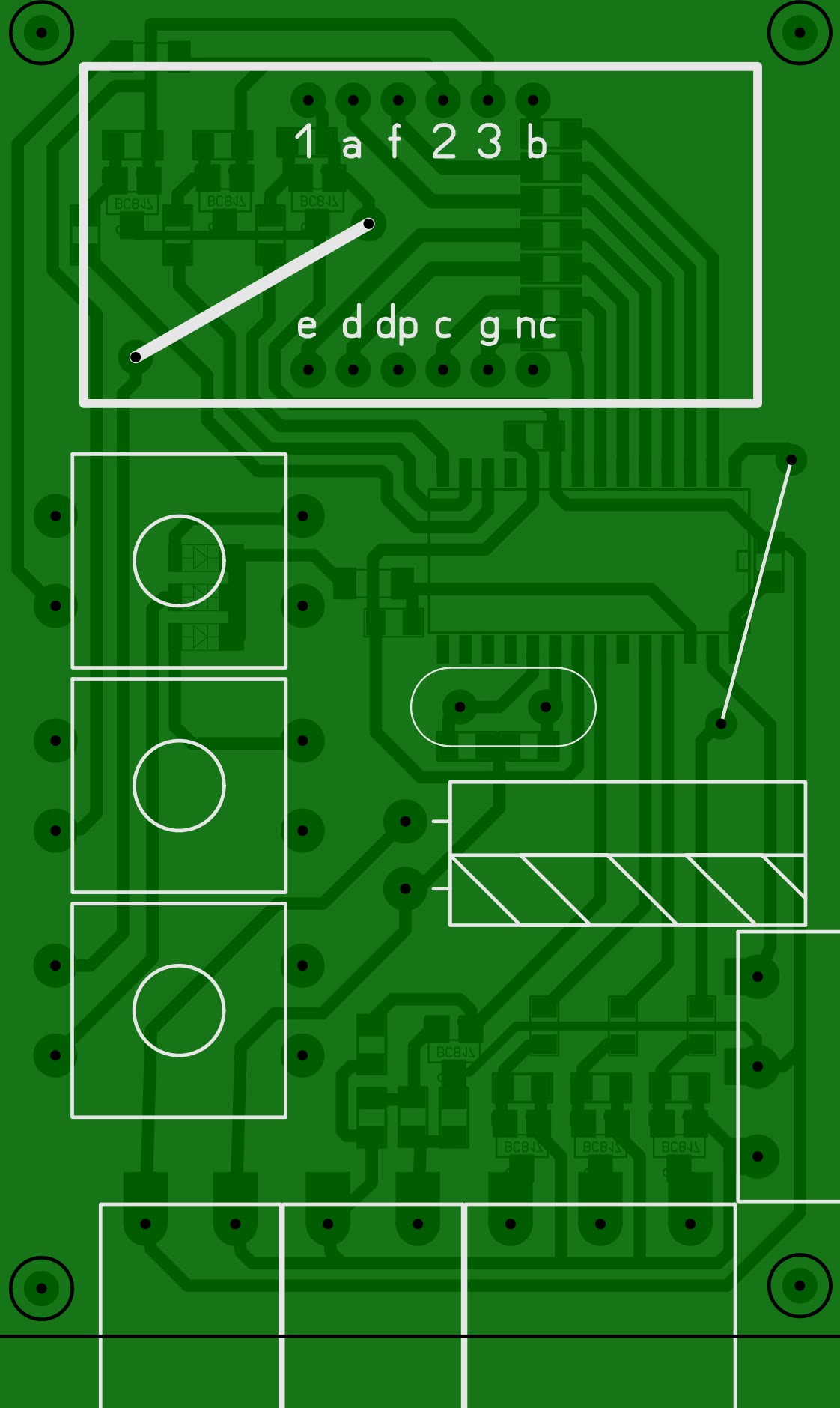
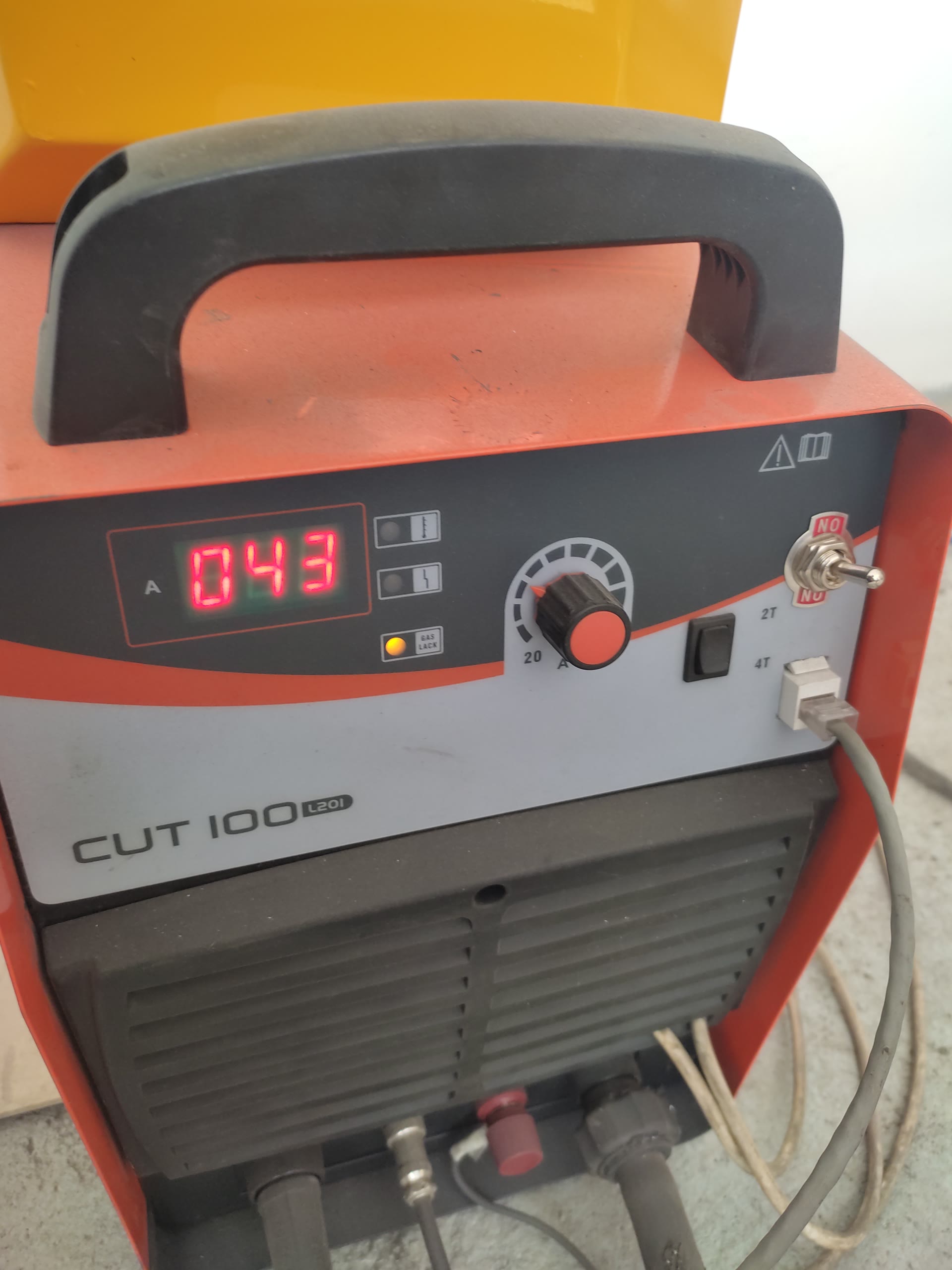
Jasic CUT 100 Control ModuleAutomation & Control

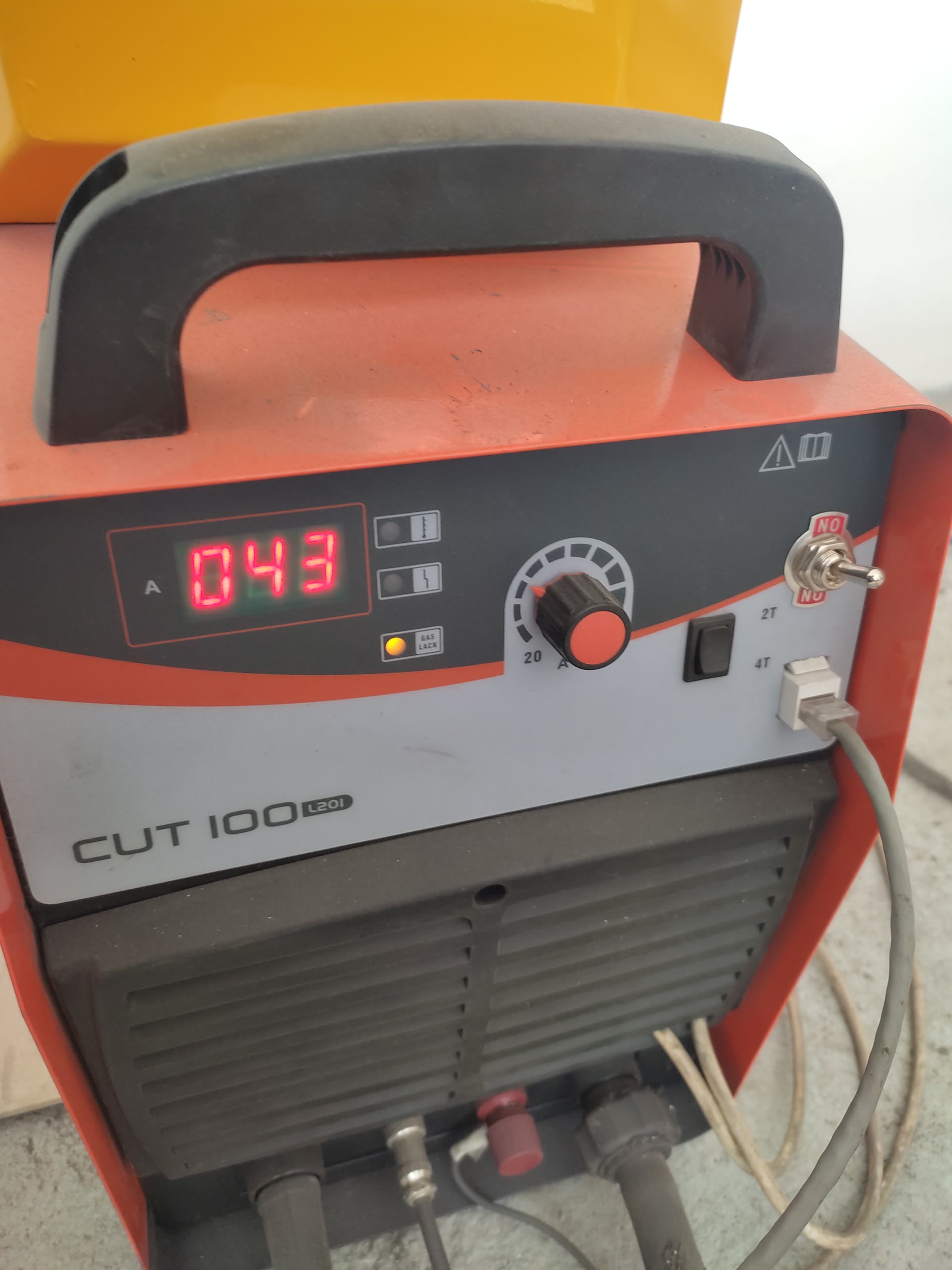
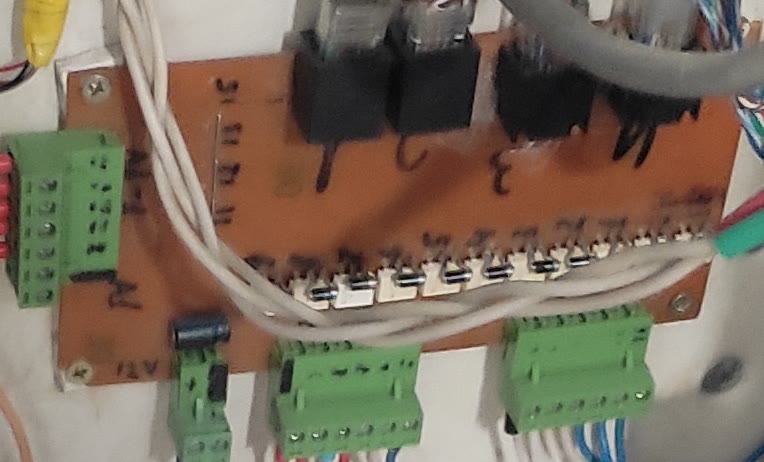
Custom control electronics developed to integrate the Jasic CUT 100 plasma source with the CNC plasma cutter control system. The work included prototype electronics, PCB preparation and modification of the original front-panel interface.

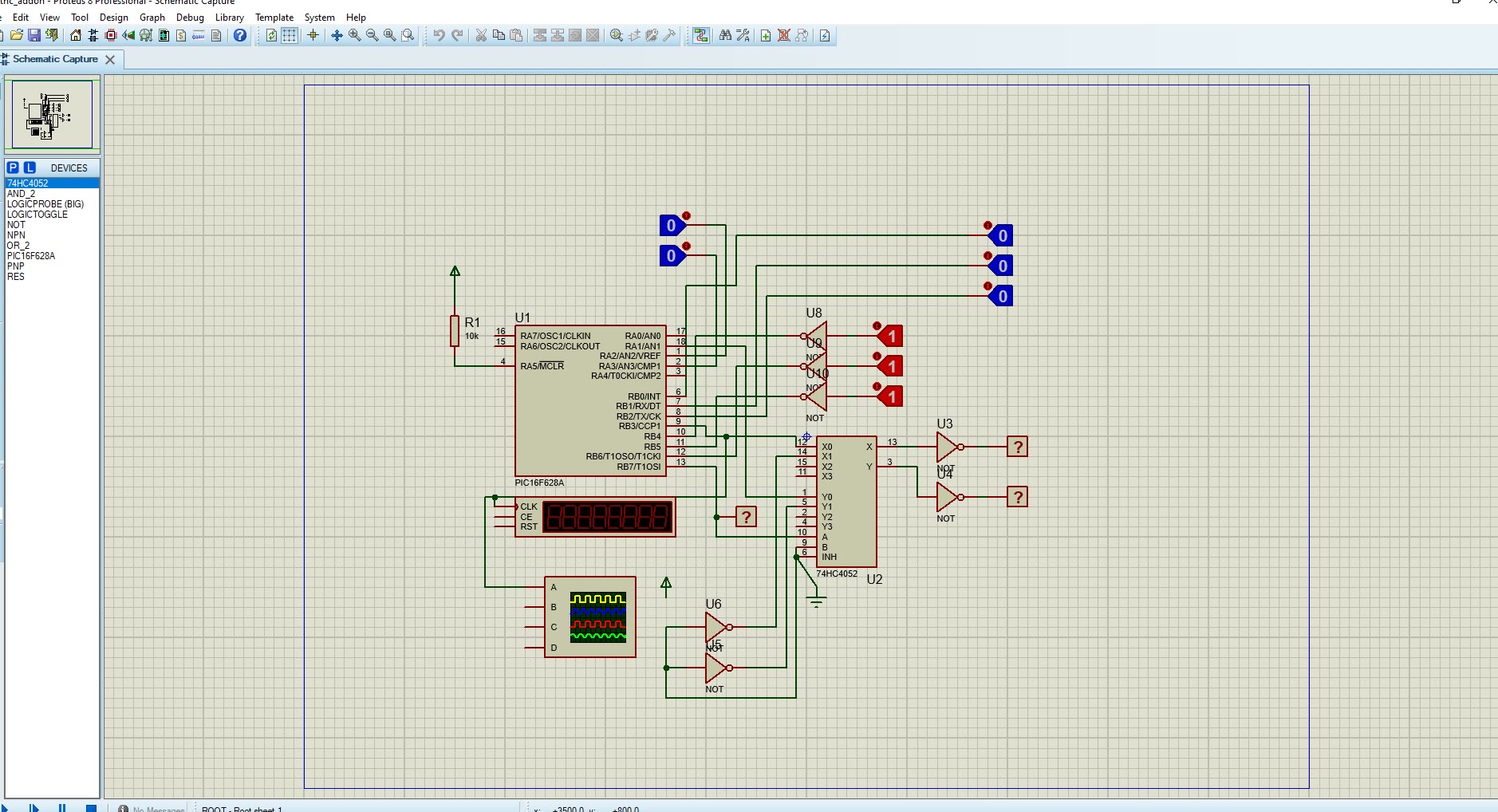
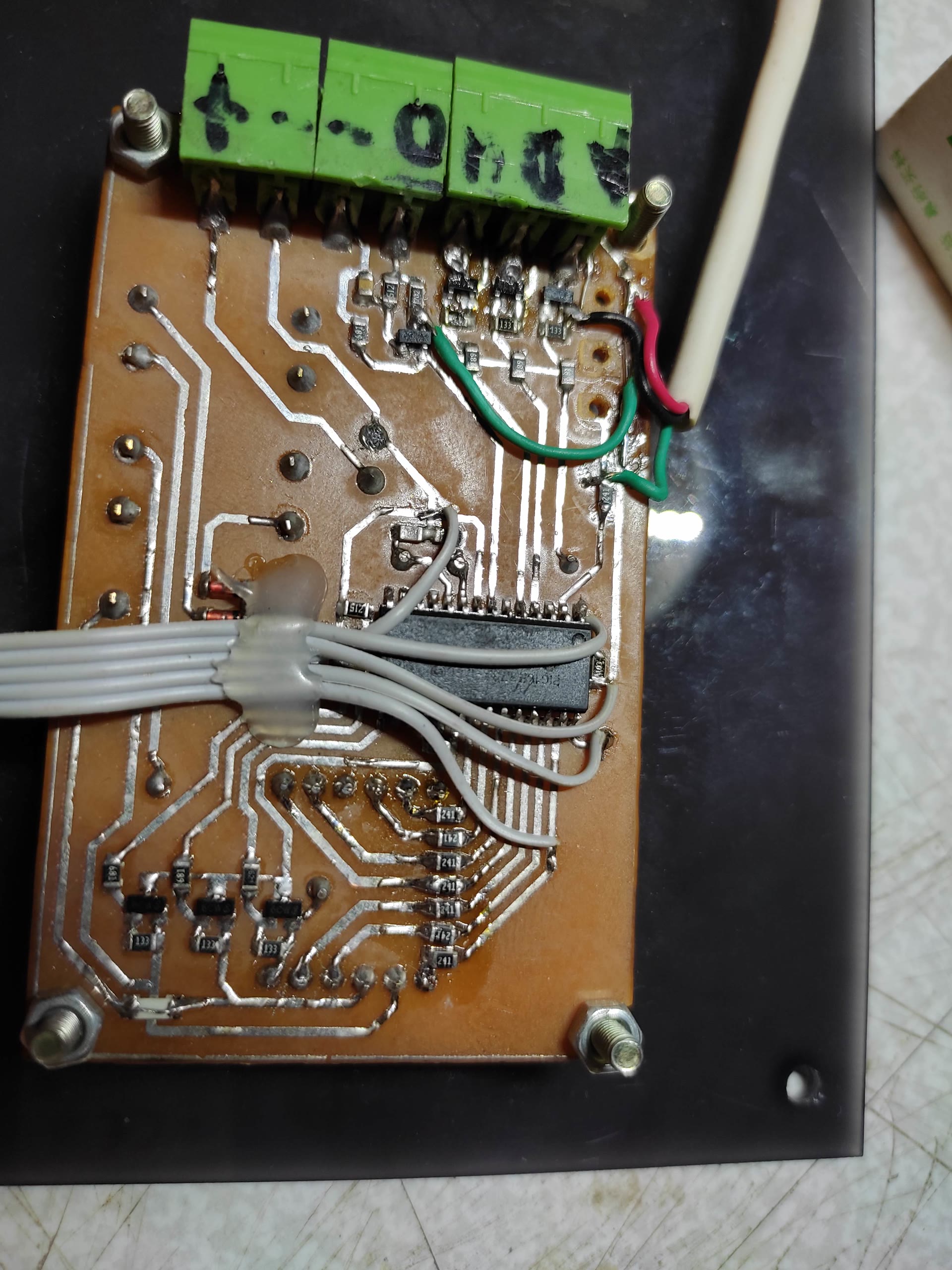
Legacy Torch Height ControlElectronics & Embedded

An earlier working torch height control solution developed during the CNC plasma cutter project. It was functional and used in the machine before being replaced by a more unified operator-oriented approach.

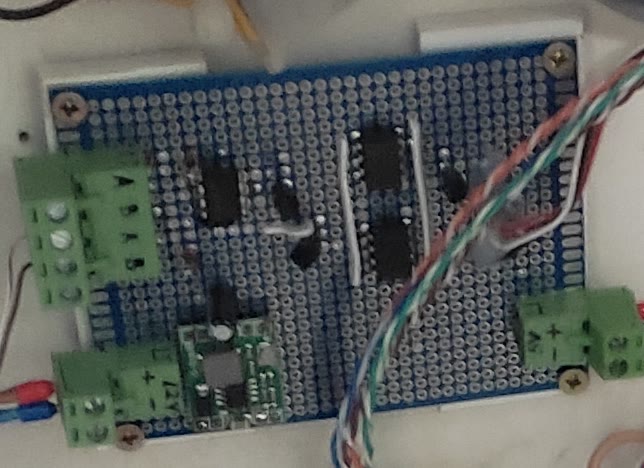
New Torch Height ControlElectronics & Embedded

A new torch height control implementation developed to replace the earlier THC approach with a more convenient machine-integrated solution. It was assembled from available modules and components rather than a factory-produced custom PCB.

IDEA & DESIGN

CNC Plasma Cutter
CNC Plasma Cutter
CNC Plasma Cutter

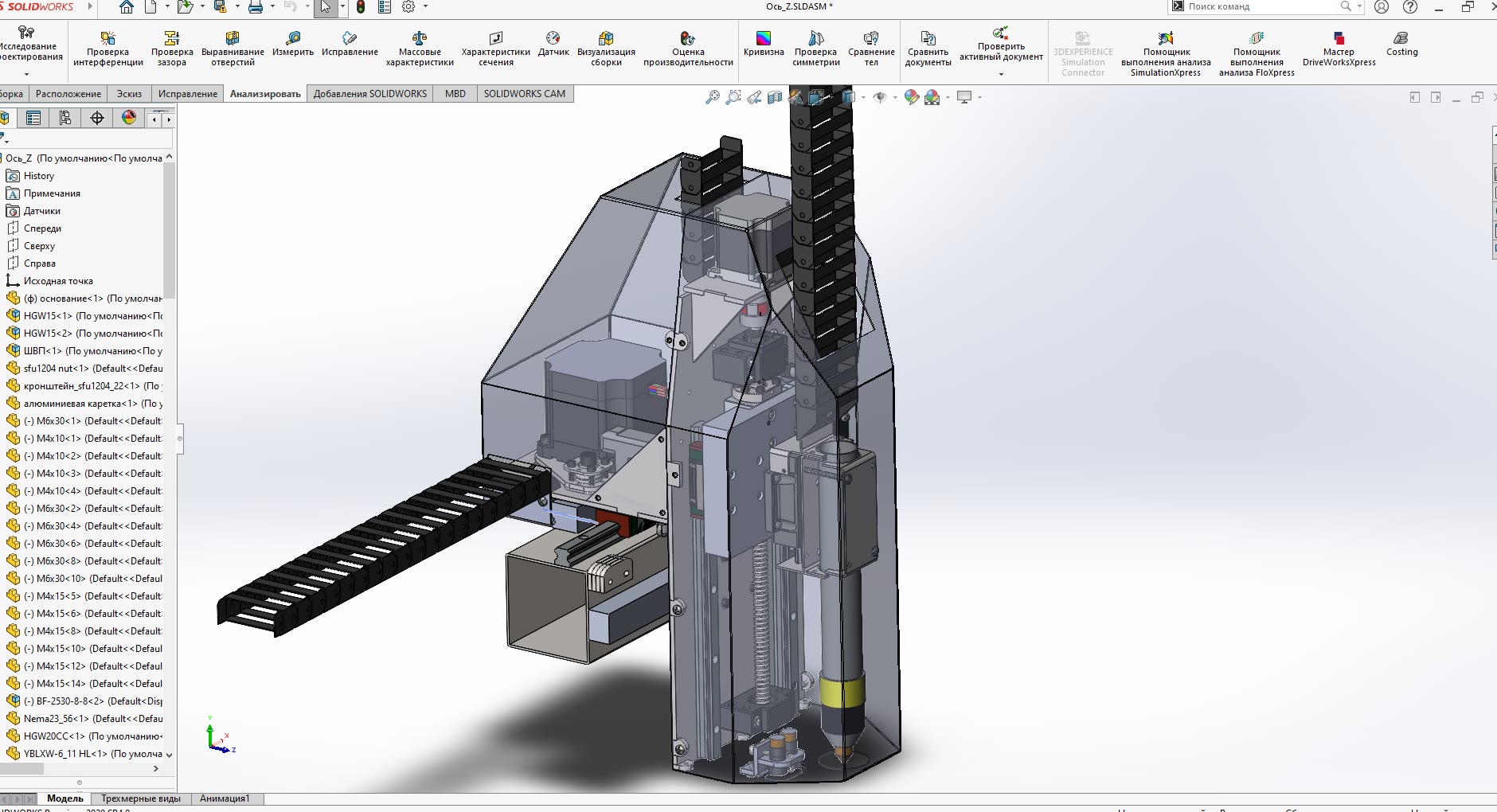
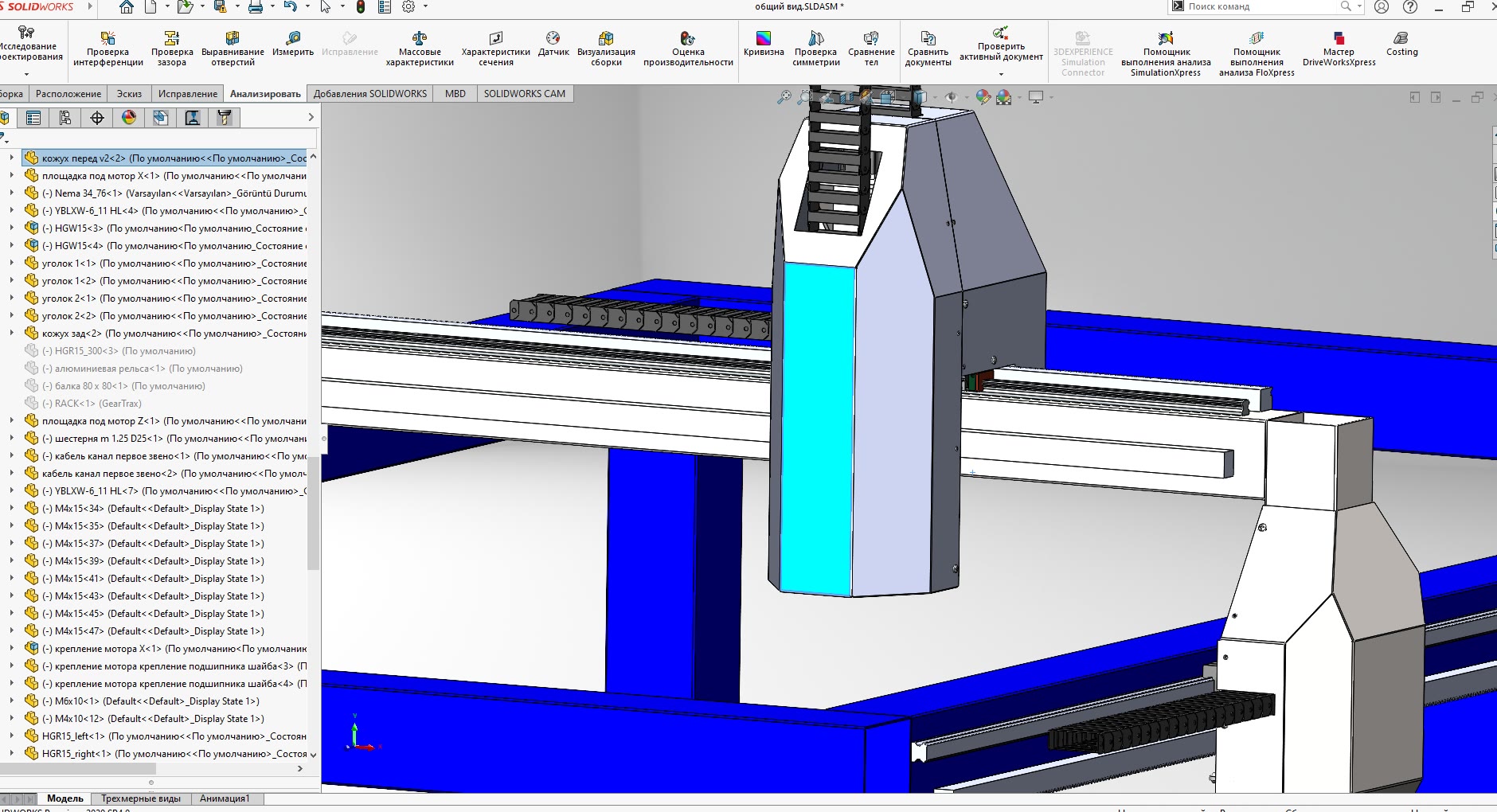
SolidWorks Z-Axis Design

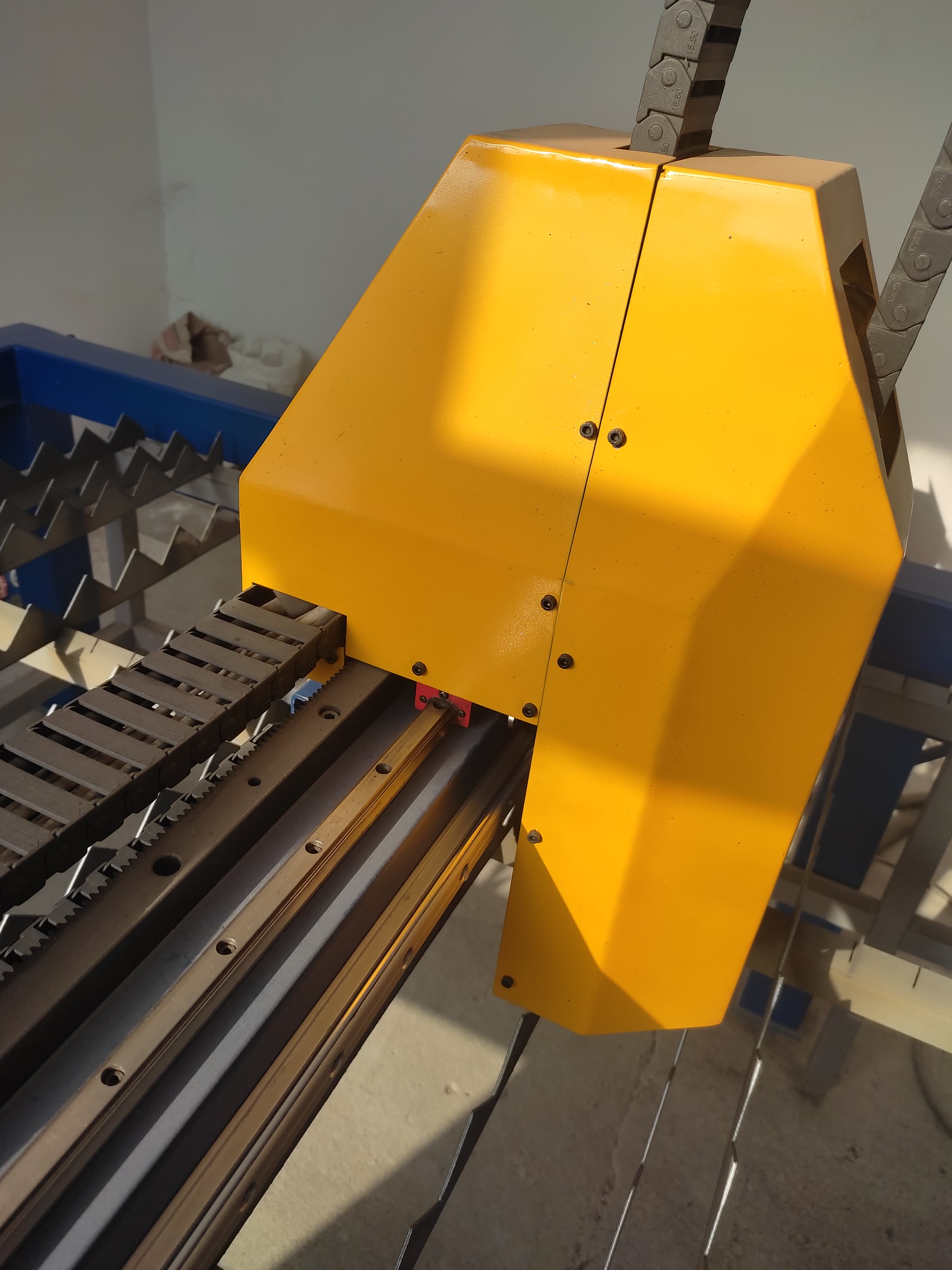
The SolidWorks model defines the mechanical layout of the vertical axis that moves the plasma torch.

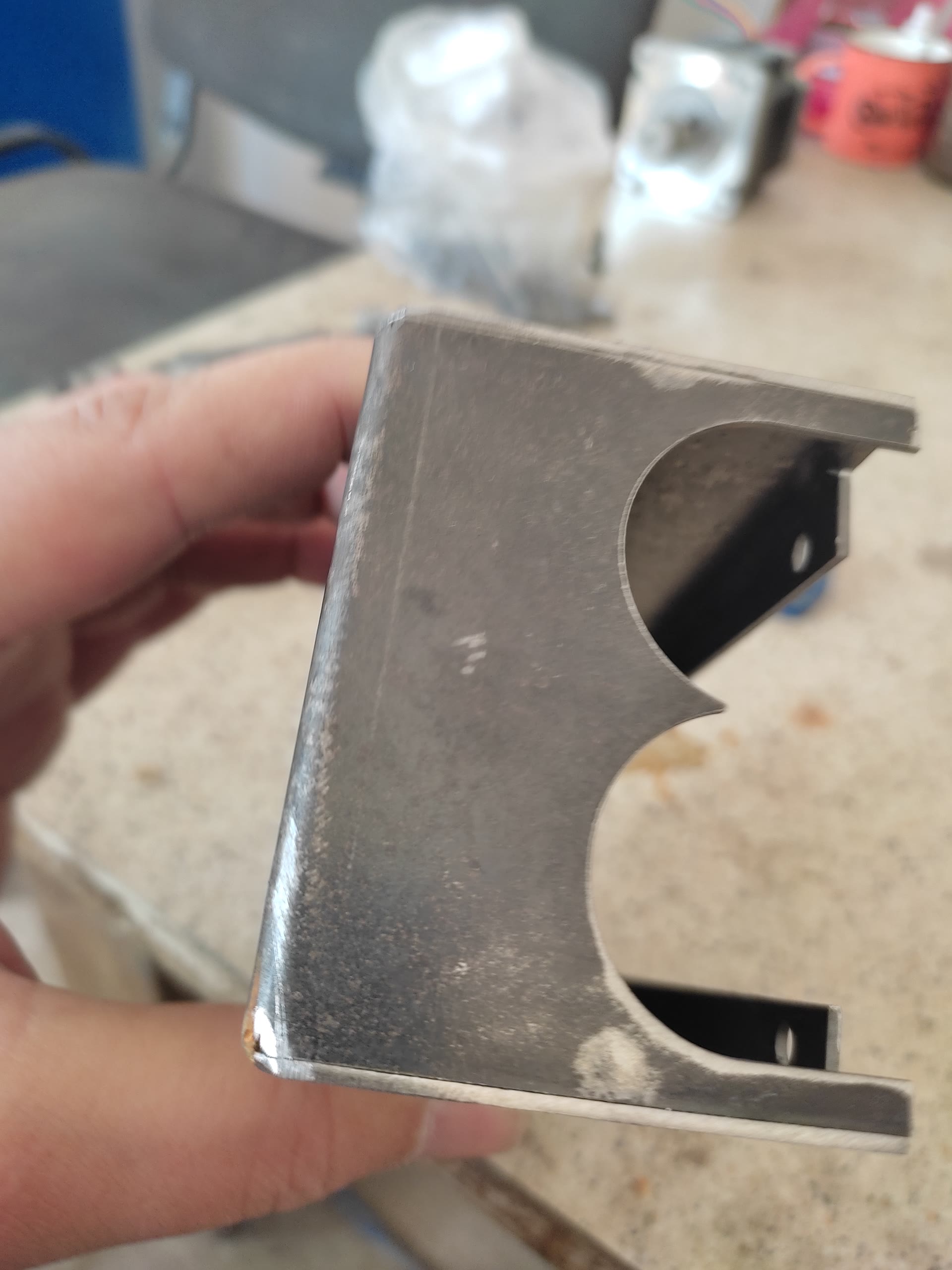
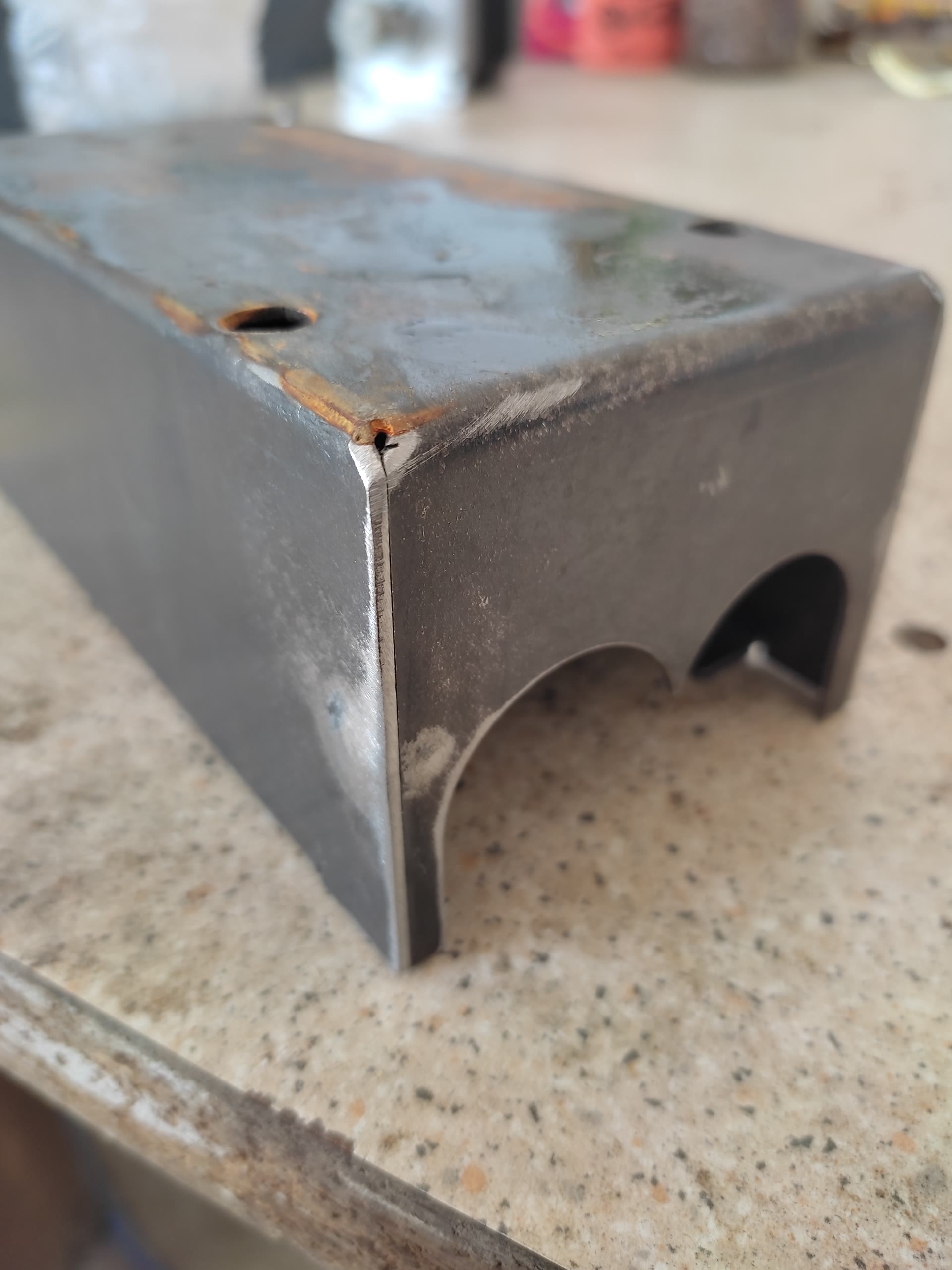
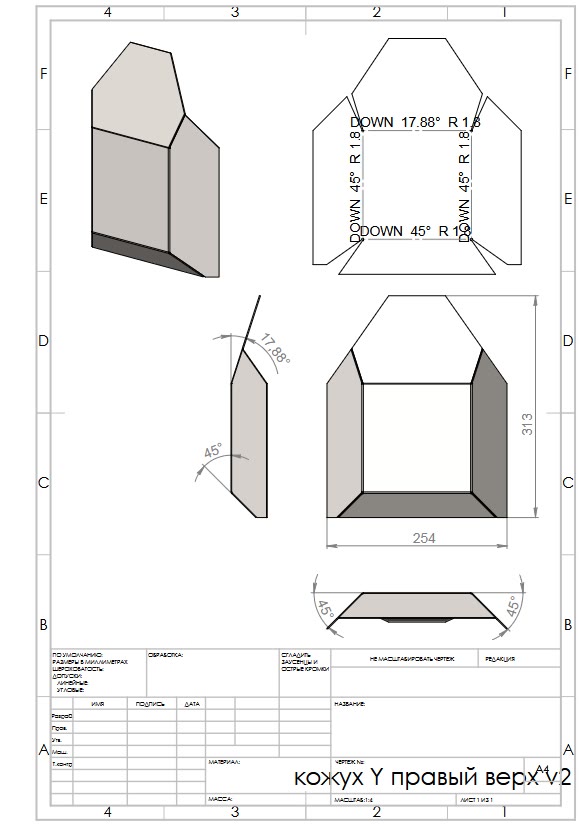
The project began with the mechanical concept of a CNC plasma cutting machine and the need to turn that concept into a complete working system. SolidWorks was used to develop the main machine geometry, the Z-axis and the relationship between the individual mechanical assemblies. The Z-axis was developed separately before the final machine was completed. Its mechanical enclosure and internal arrangement were studied in CAD, followed by preparation of construction and assembly documentation for physical fabrication. The project also included sheet-metal design work, including flat-pattern preparation for fabricated enclosure parts. At this stage the focus was not yet on a finished machine, but on establishing a workable mechanical architecture that could later be assembled, tested and integrated with the control system.
DEVELOPMENT

CNC Plasma Cutter
CNC Plasma Cutter
CNC Plasma Cutter
CNC Plasma Cutter
CNC Plasma Cutter
CNC Plasma Cutter
CNC Plasma Cutter
CNC Plasma Cutter
CNC Plasma Cutter
CNC Plasma Cutter
CNC Plasma Cutter
CNC Plasma Cutter
CNC Plasma Cutter
CNC Plasma Cutter
CNC Plasma Cutter
CNC Plasma Cutter
CNC Plasma Cutter
CNC Plasma Cutter

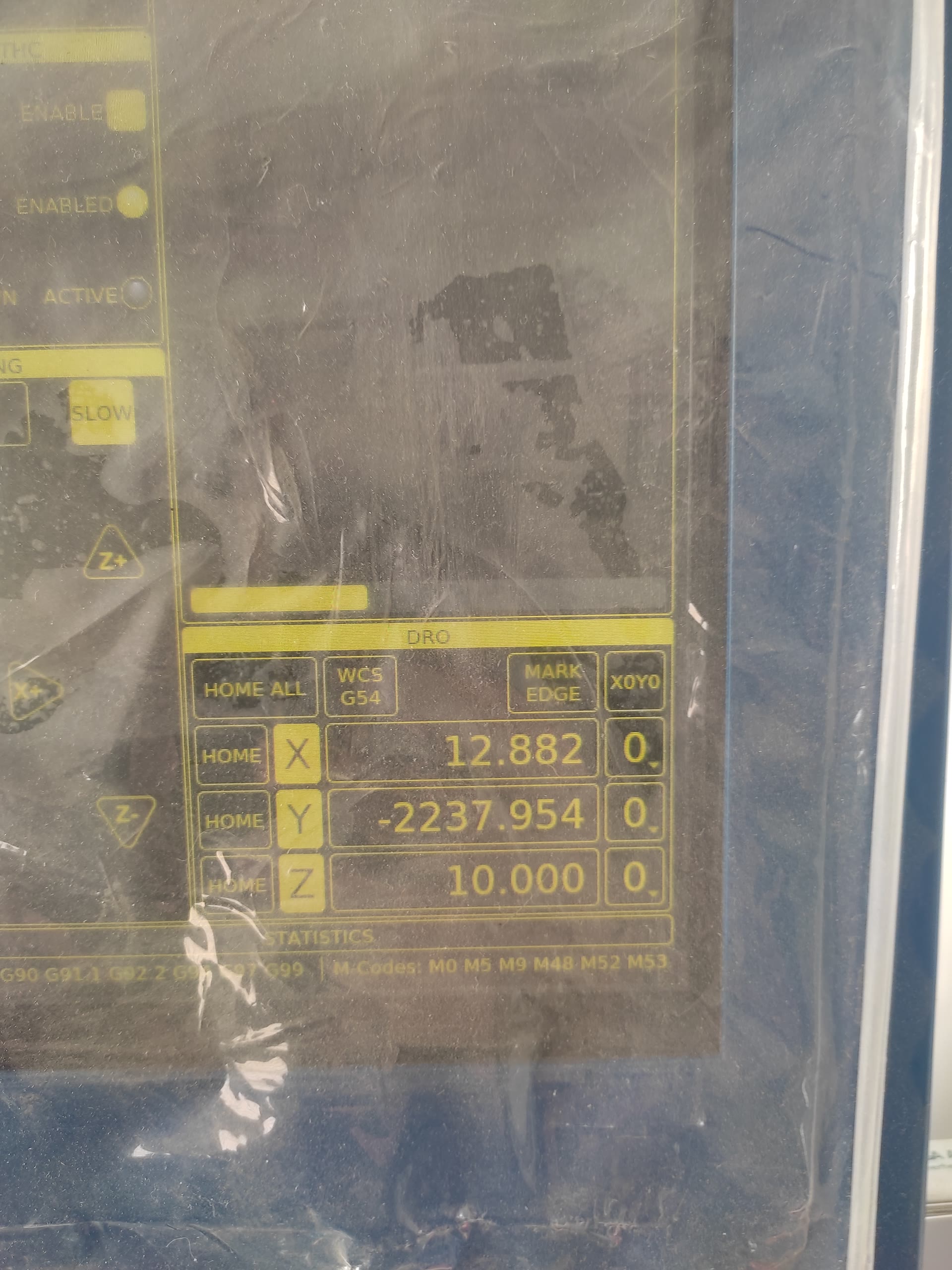
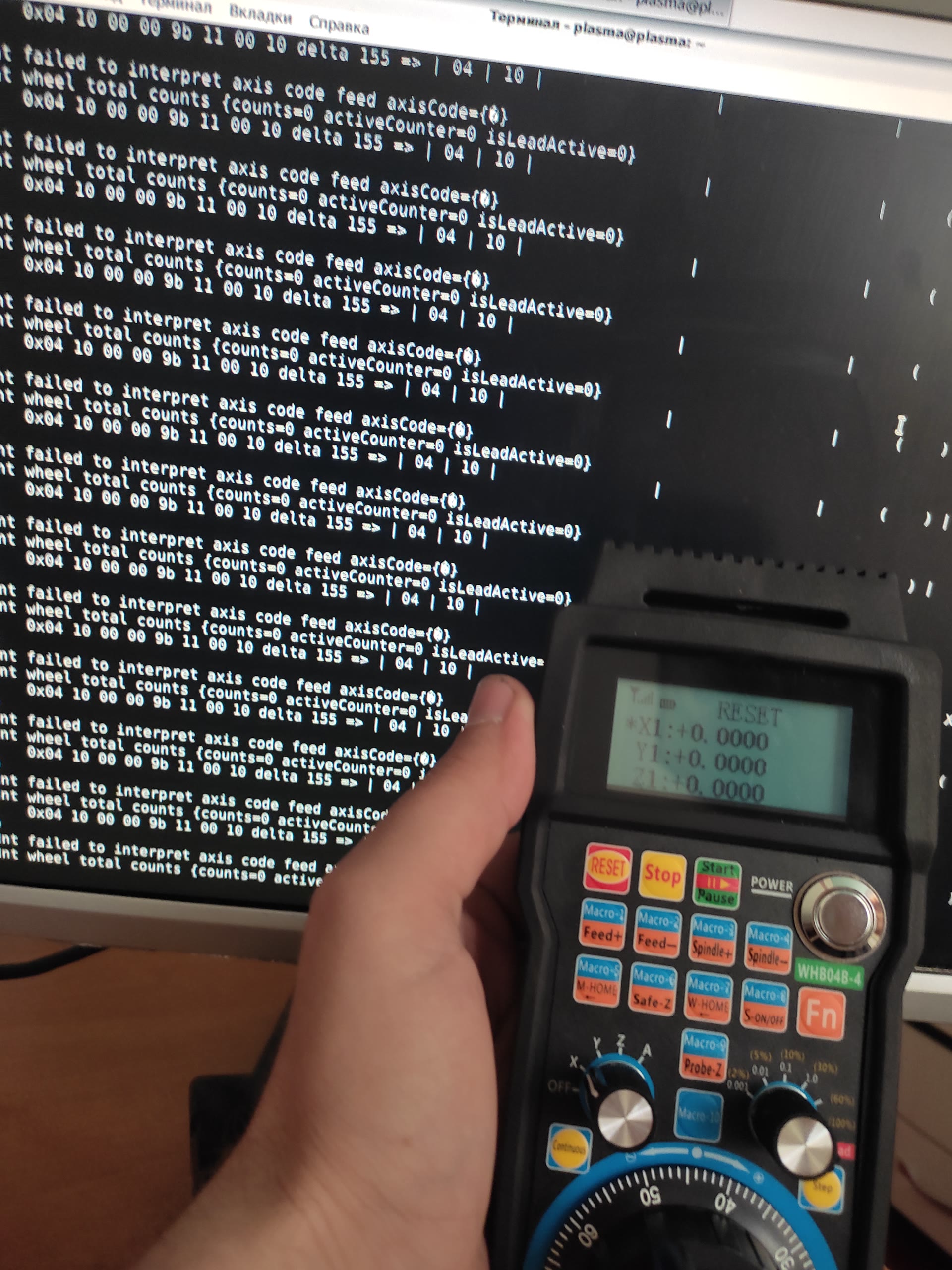
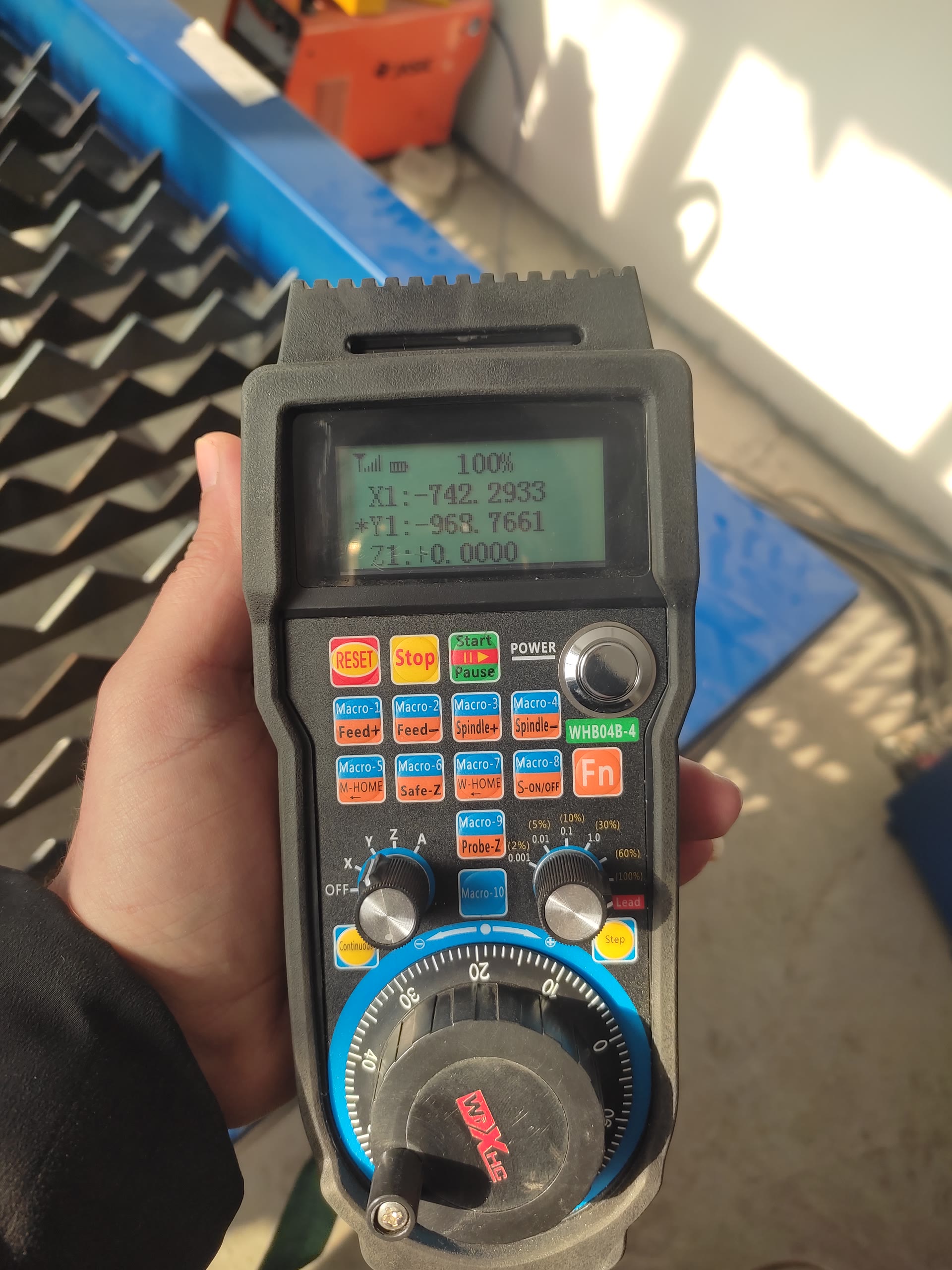
Control Pendant Interface Test

A test of the machine control interface during commissioning, documenting the operator's interaction with the control system.
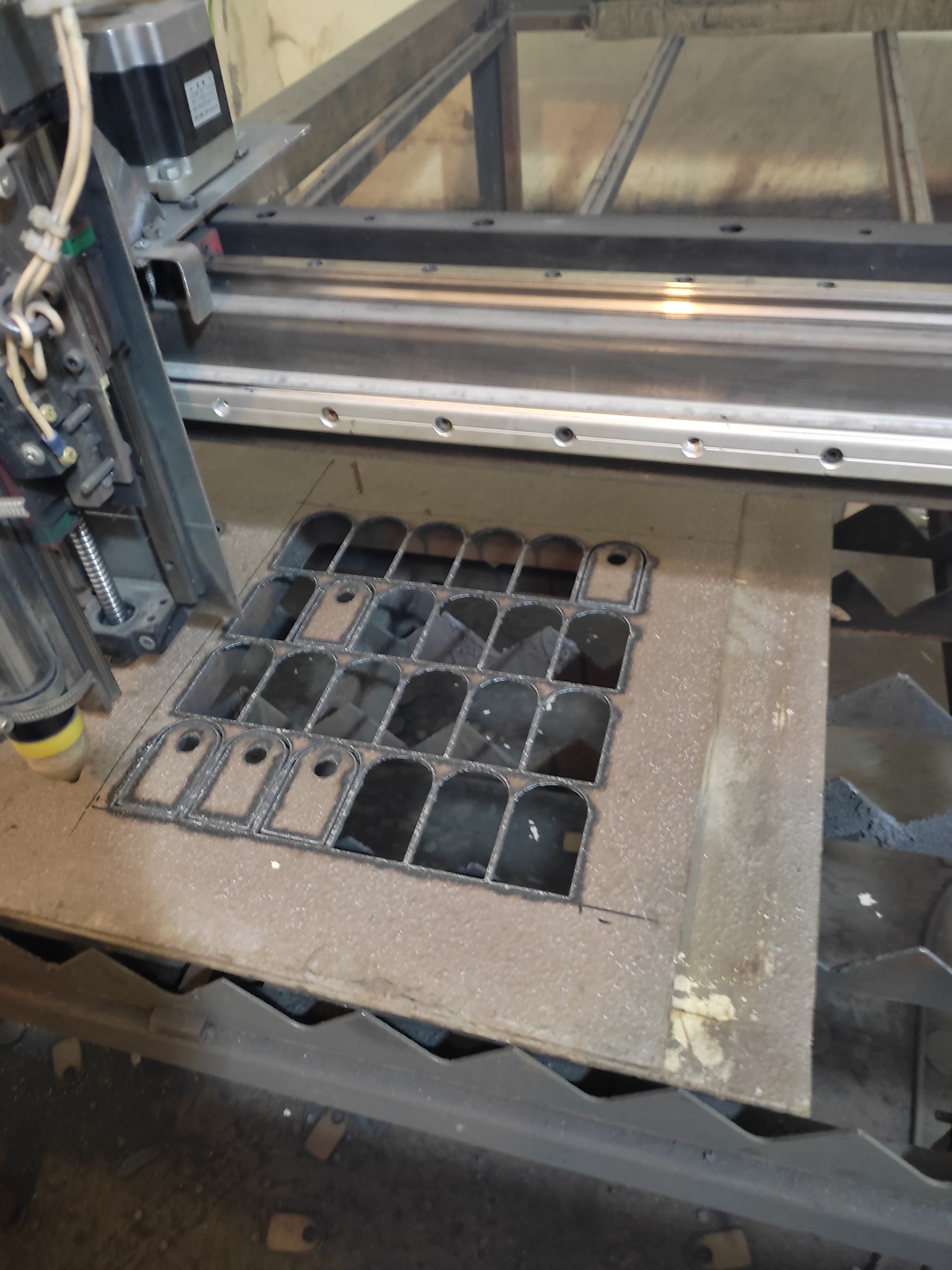
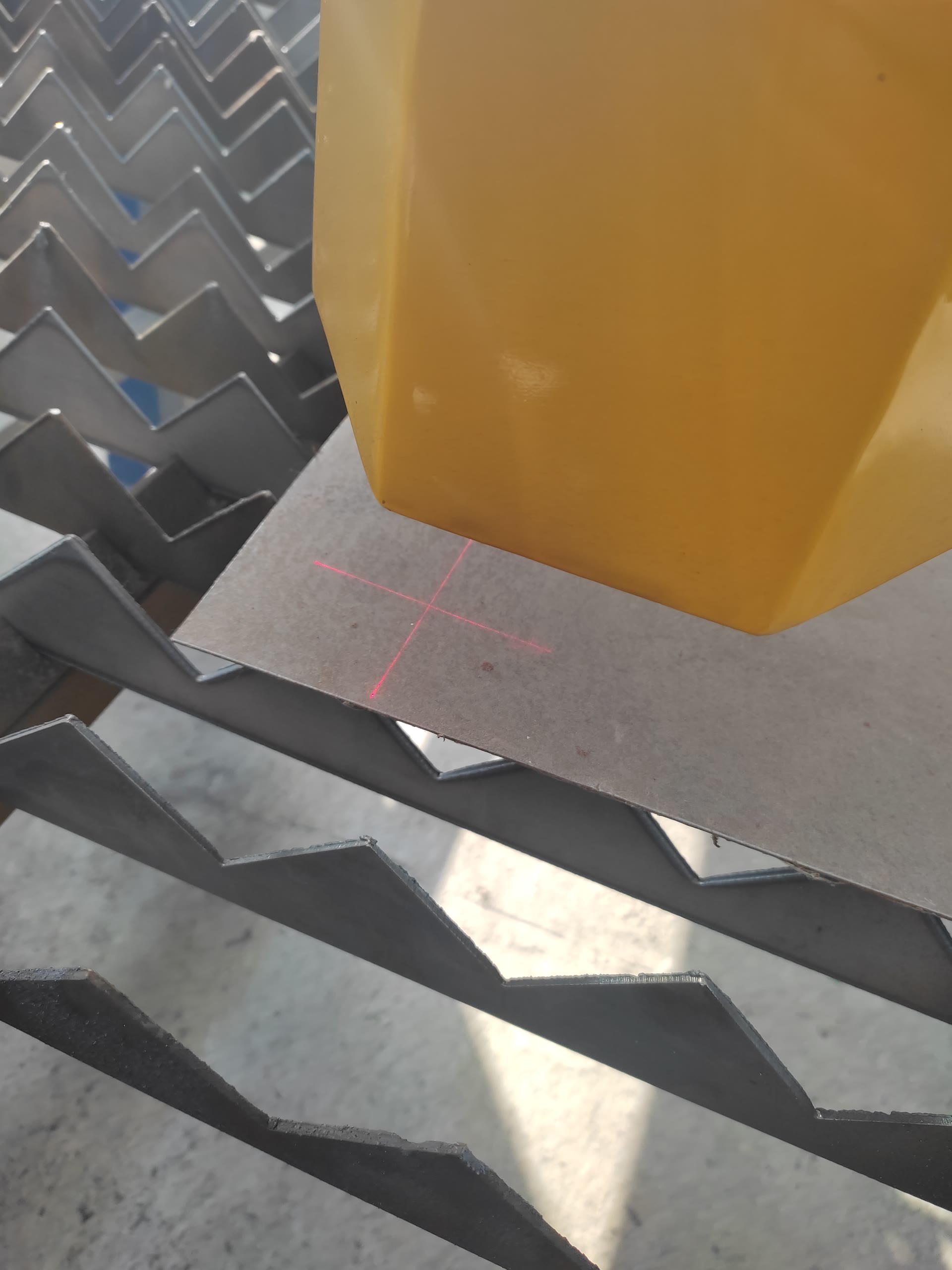
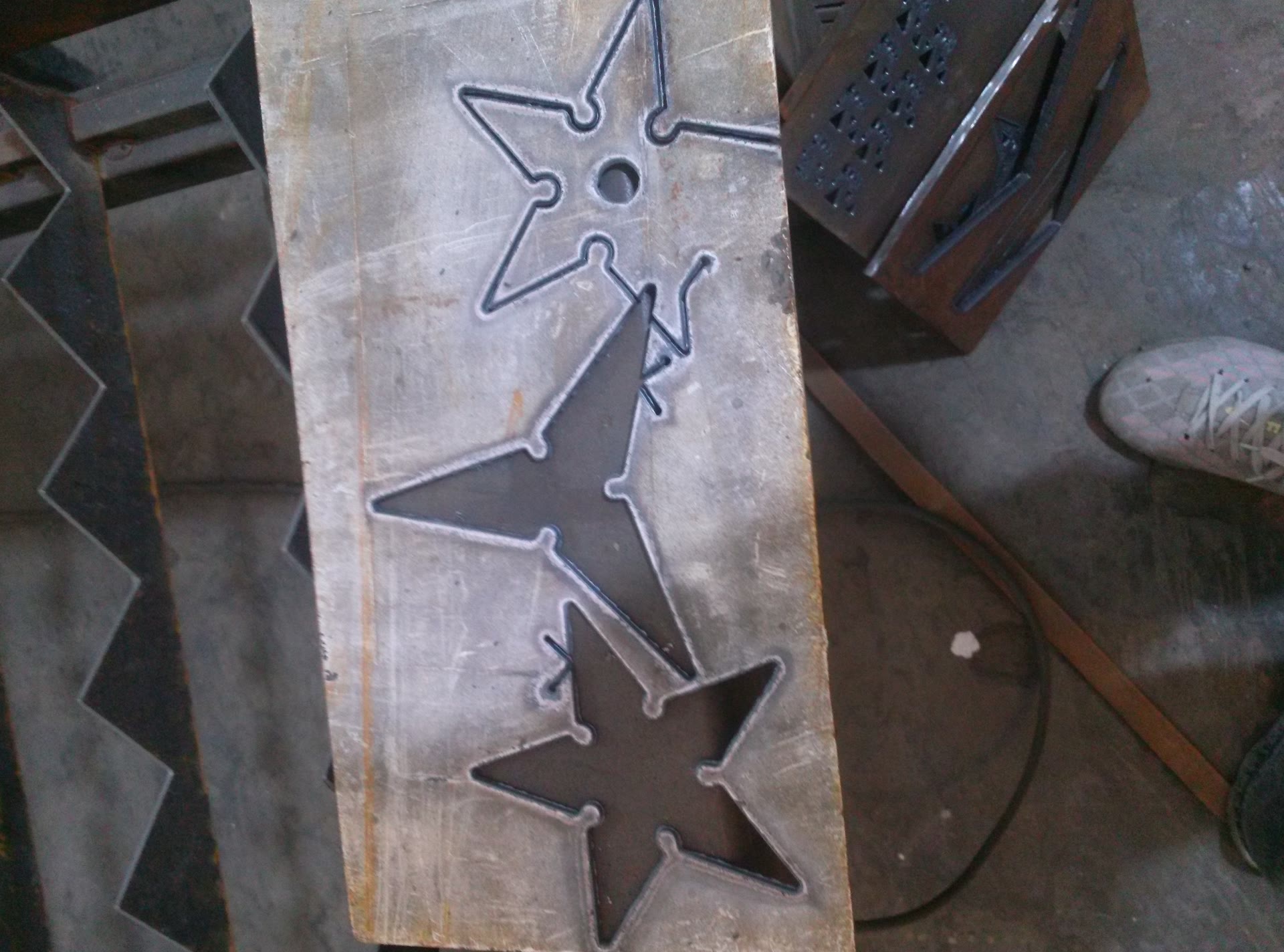
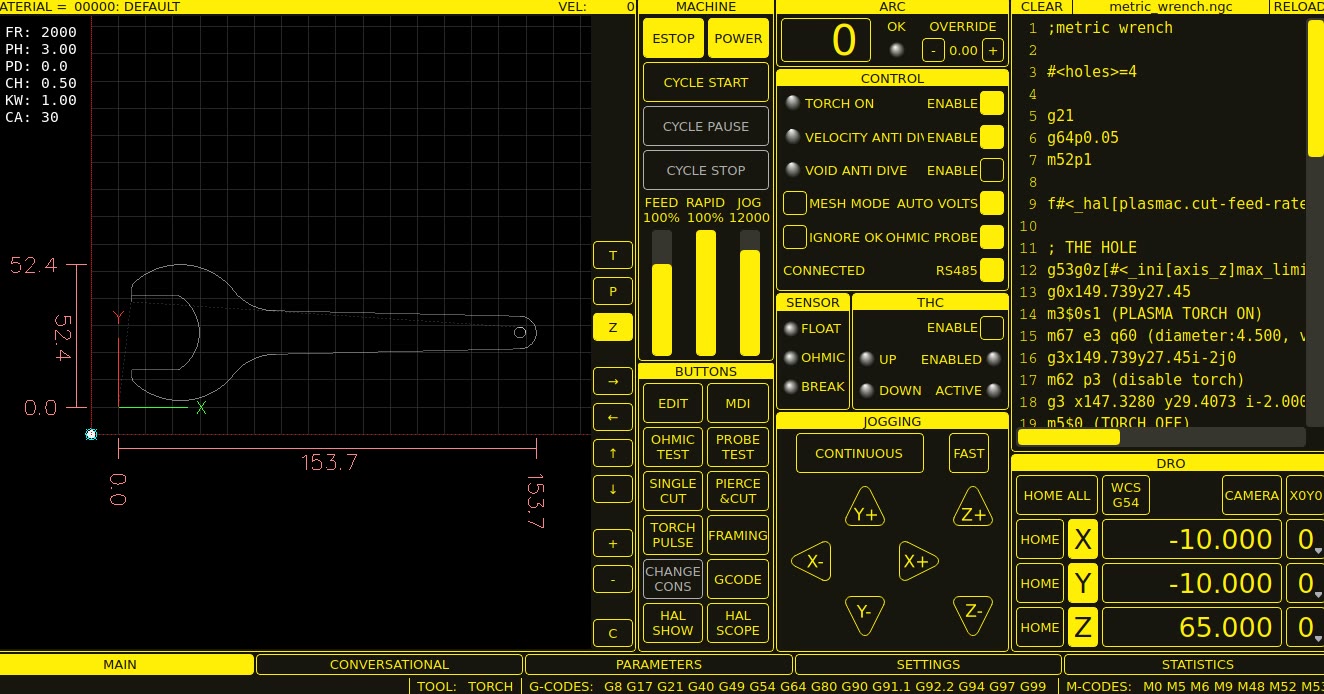
The first physical development work was used to validate the mechanical concept before the machine became a finished system. A first Z-axis prototype was assembled manually from available materials and tested through programmed movements at different speeds. This was an early mechanical experiment used to evaluate the basic behaviour of the axis. A second stage followed with the machine frame assembled and the Z-axis being developed toward a more finished configuration. Programmed motion tests were carried out before the plasma torch and final system integration were completed. The project then moved into practical plasma cutting experiments. Individual test cuts and multi-part cutting tests were used to evaluate the machine motion, cutting behaviour and control process. During this period the operator interface and machine control were also being tested. The development work included experimentation with the operator pendant, coordinate handling and the software side of the machine. LinuxCNC and QtPlasmaC formed the control environment, while Mark H was used for establishing the workpiece coordinate system against an arbitrarily positioned sheet. This allowed the machine to reference a real workpiece instead of relying only on ideal CAD alignment. Custom electronics were developed in parallel. Communication modules, galvanic isolation circuits, earlier and redesigned torch height control solutions, and control electronics for the Jasic CUT 100 were prototyped and tested as part of the overall machine architecture.

ASSEMBLY & INTEGRATION

CNC Plasma Cutter
CNC Plasma Cutter
CNC Plasma Cutter
CNC Plasma Cutter
CNC Plasma Cutter
CNC Plasma Cutter
CNC Plasma Cutter
CNC Plasma Cutter
CNC Plasma Cutter
CNC Plasma Cutter
CNC Plasma Cutter
CNC Plasma Cutter
CNC Plasma Cutter
CNC Plasma Cutter
CNC Plasma Cutter
CNC Plasma Cutter
CNC Plasma Cutter

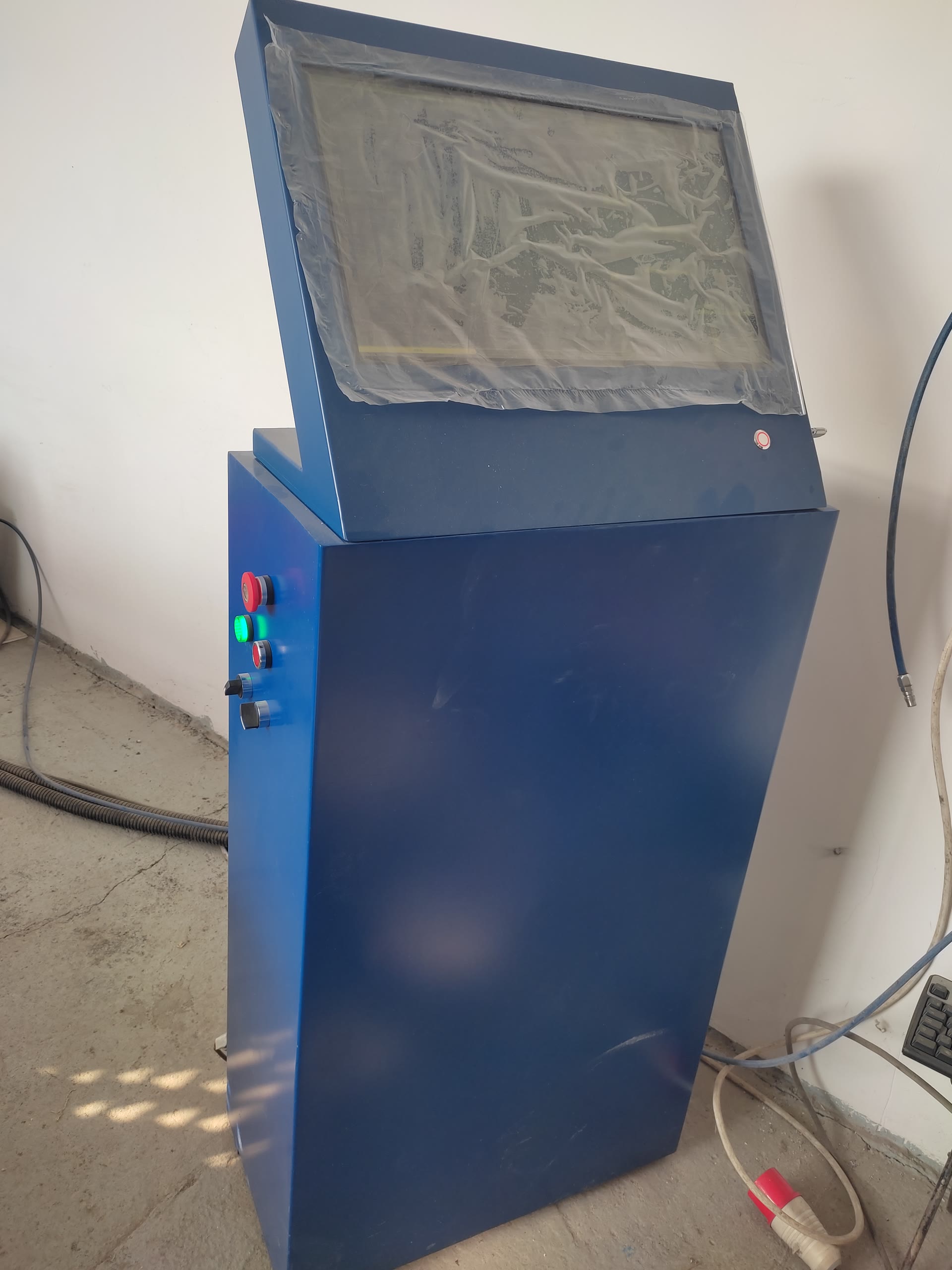
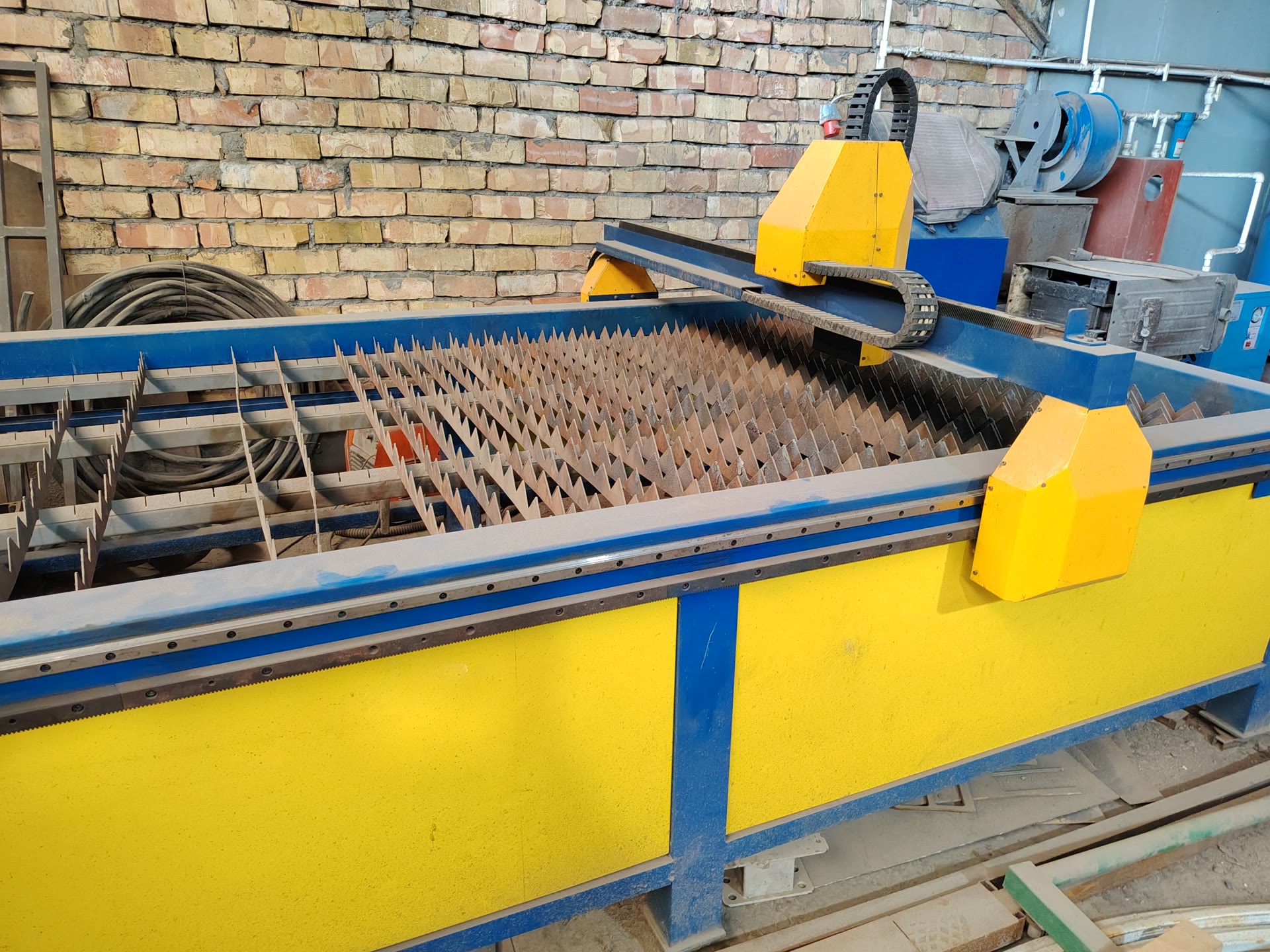
Machine with Protective Covers

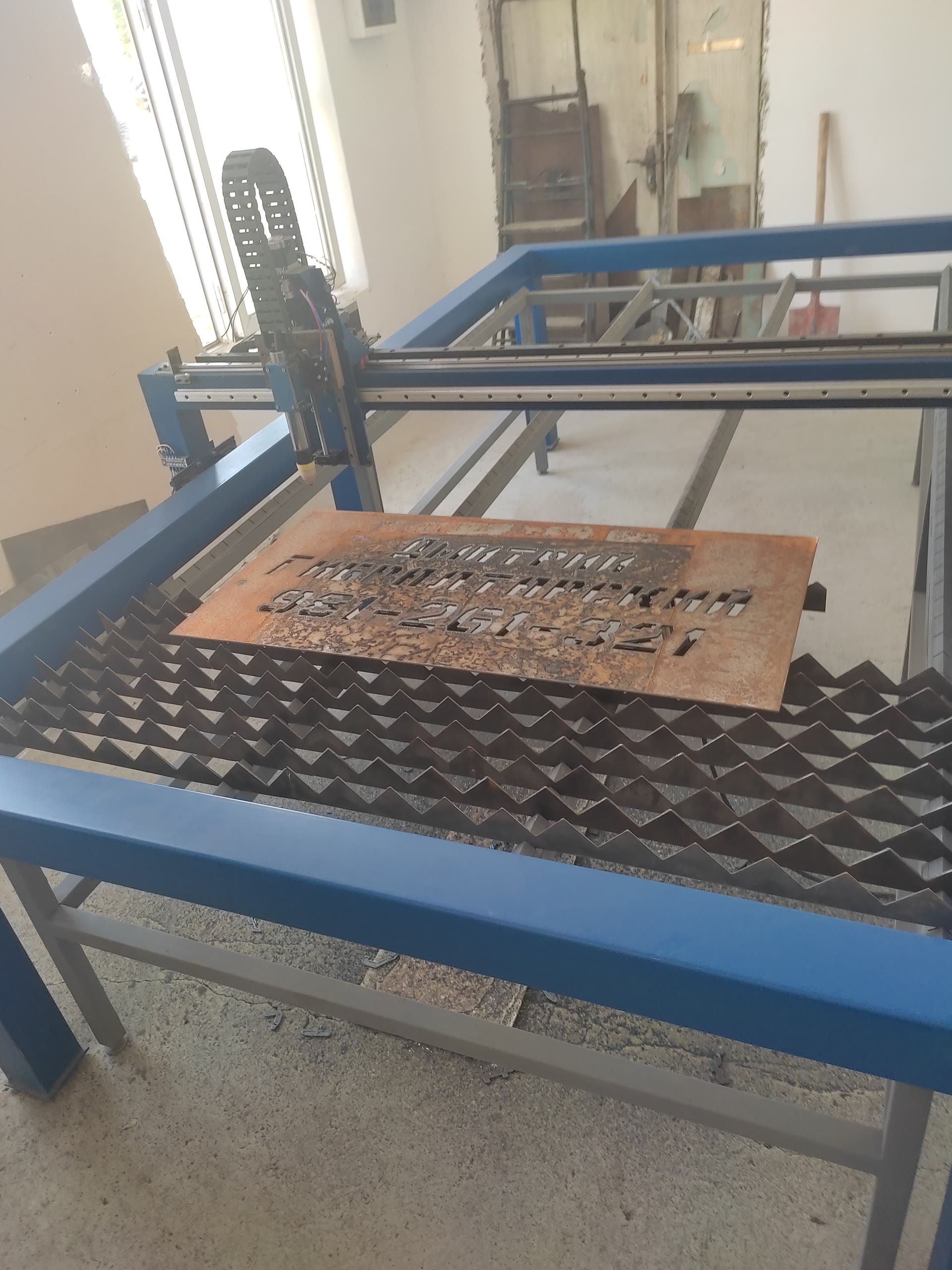
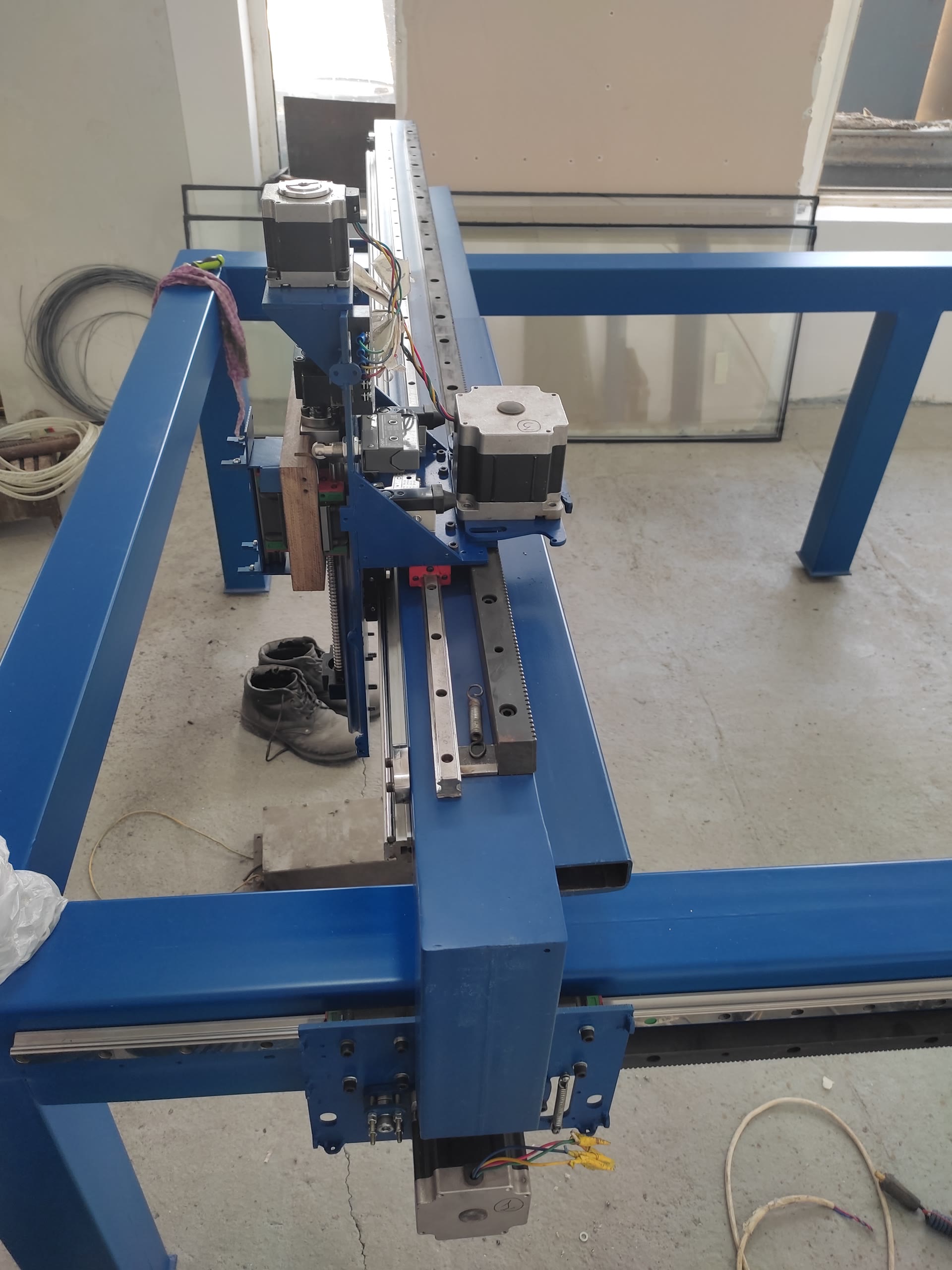
The plasma cutter during assembly with protective elements installed. Traces of practical testing are visible on the working surface.

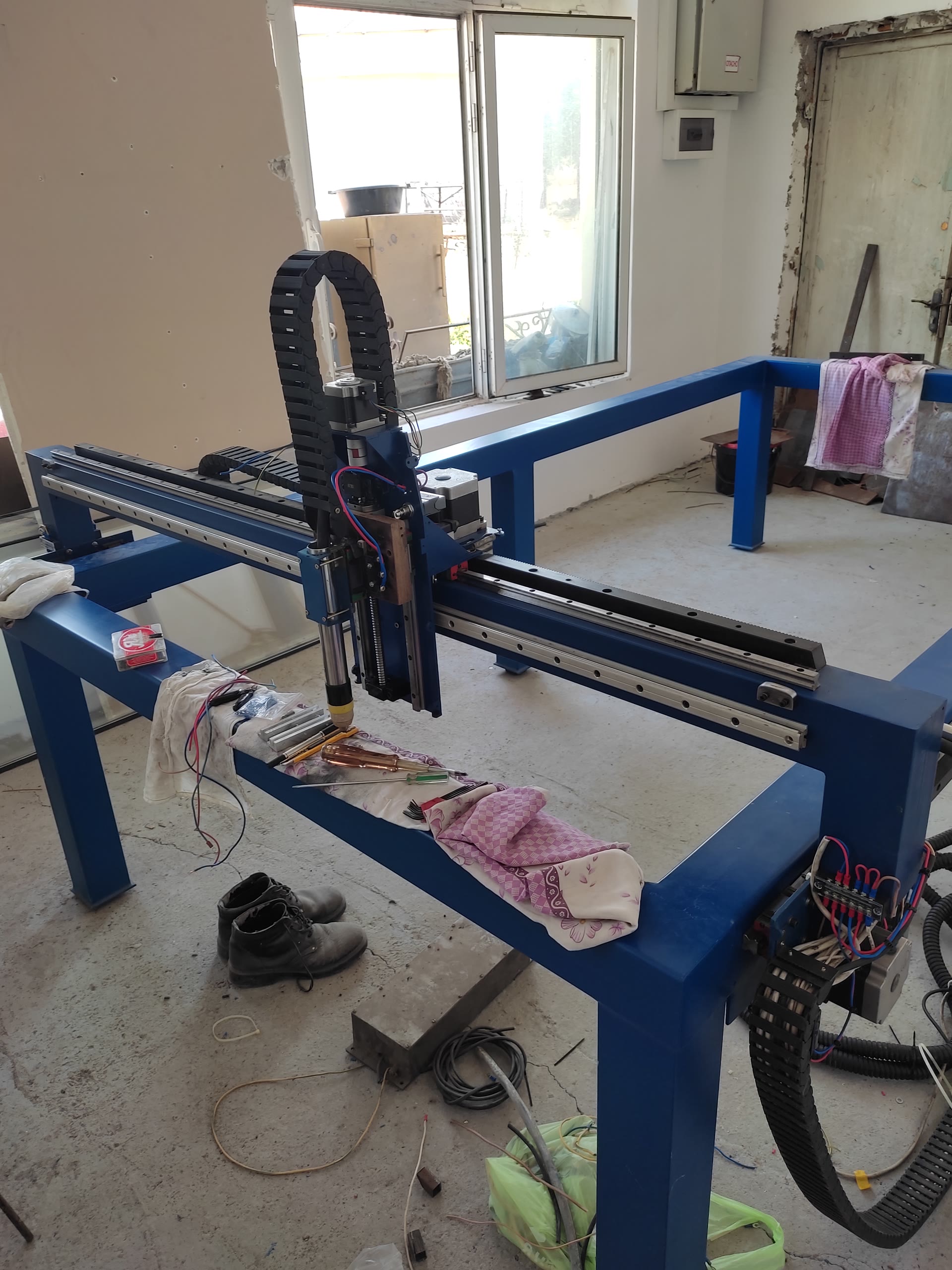
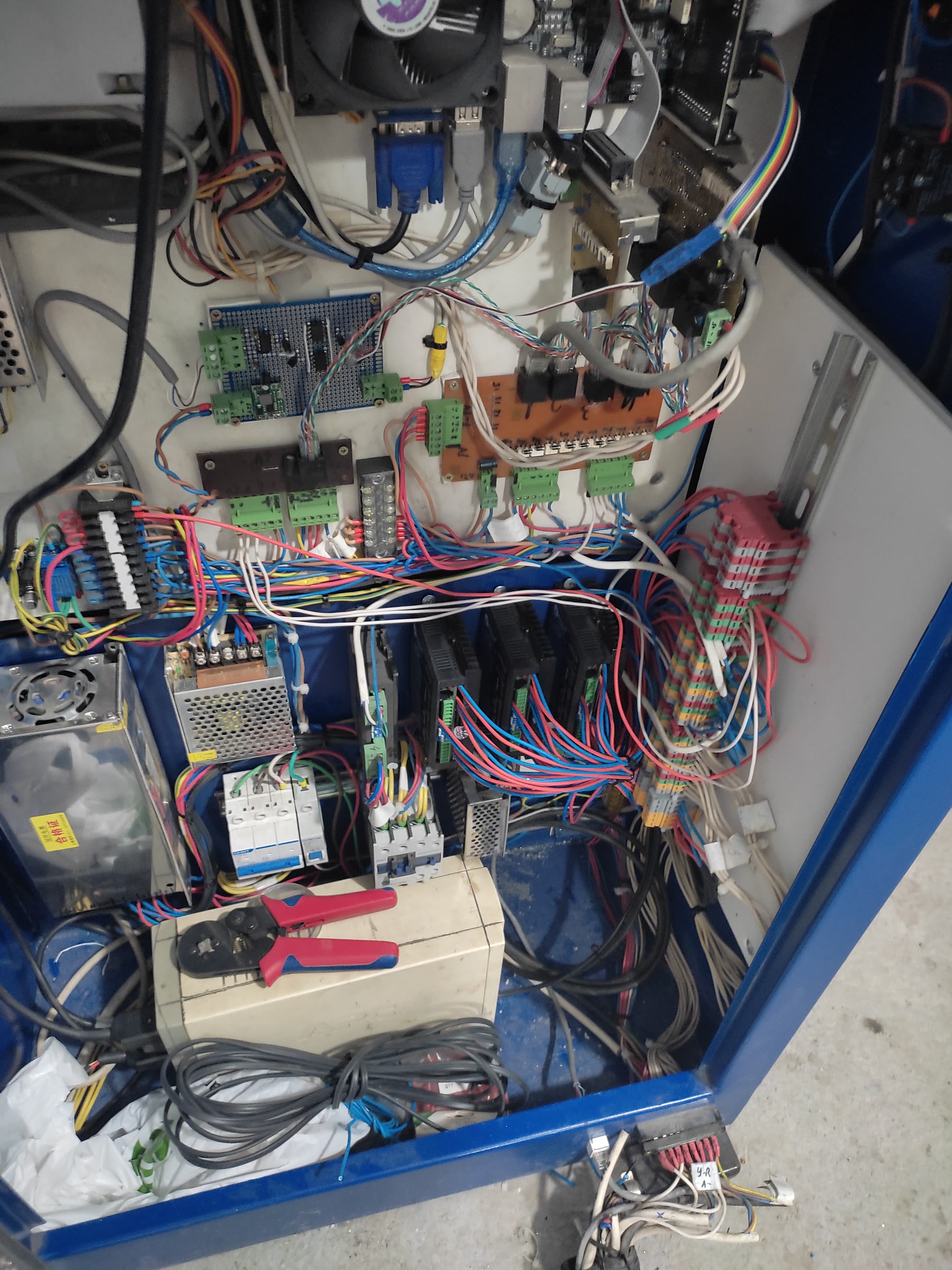
The assembly stage brought the separate mechanical, electrical and software elements together into a working CNC plasma cutter. The machine structure was progressively assembled, painted and fitted with the Z-axis, plasma torch, sacrificial cutting table, electrical cabinet and operator interface. Sheet-metal parts were fabricated from the developed CAD data and integrated into the physical machine. The electrical system was assembled around a detachable cabinet structure containing drives, power supplies, control electronics, communications hardware and the custom prototype boards developed for the project. Several of these boards were manually etched, assembled and tested before being installed in the machine. The communication architecture was divided into several modules, including logical-signal handling, a power-side galvanically isolated communication path and a separate RS-485 isolation module. These were developed to provide reliable communication between the control system and other parts of the machine in the electrically noisy plasma environment. Torch height control was developed through an earlier working THC solution and a later redesigned implementation. The new approach was integrated into the cabinet and connected to the machine control system. The Jasic CUT 100 plasma source was also integrated into the CNC system. Its front panel was modified with the required communication connection and automatic/manual control so that the plasma source could operate as part of the machine rather than as an isolated manual unit. The operator side included a touchscreen interface, coordinate and workpiece referencing functions, machine controls and other physical control elements. Real cutting operations were already being performed during this stage while the machine was still being completed and configured.
Result

CNC Plasma Cutter
CNC Plasma Cutter
CNC Plasma Cutter
CNC Plasma Cutter
CNC Plasma Cutter
CNC Plasma Cutter
CNC Plasma Cutter
CNC Plasma Cutter

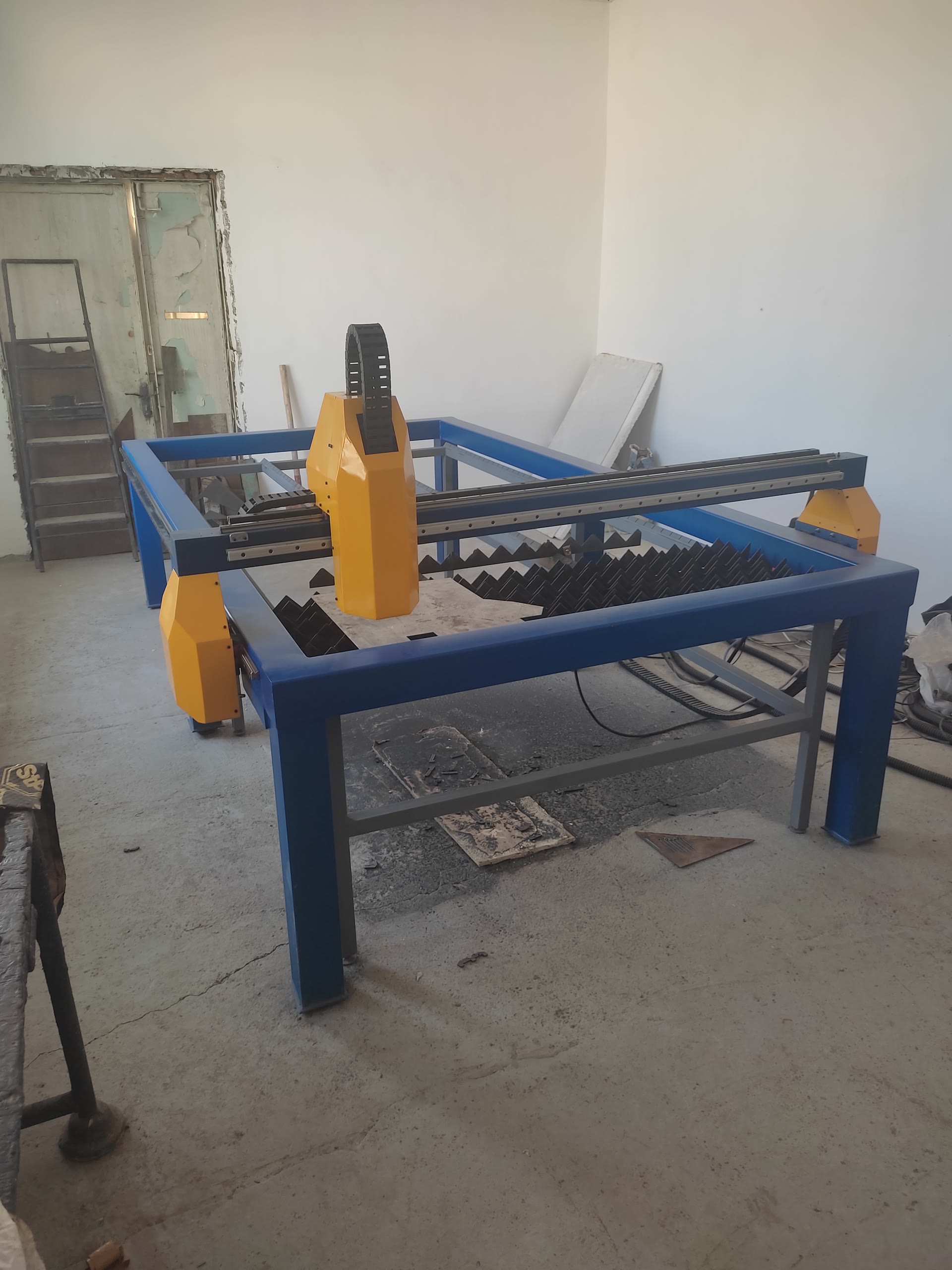
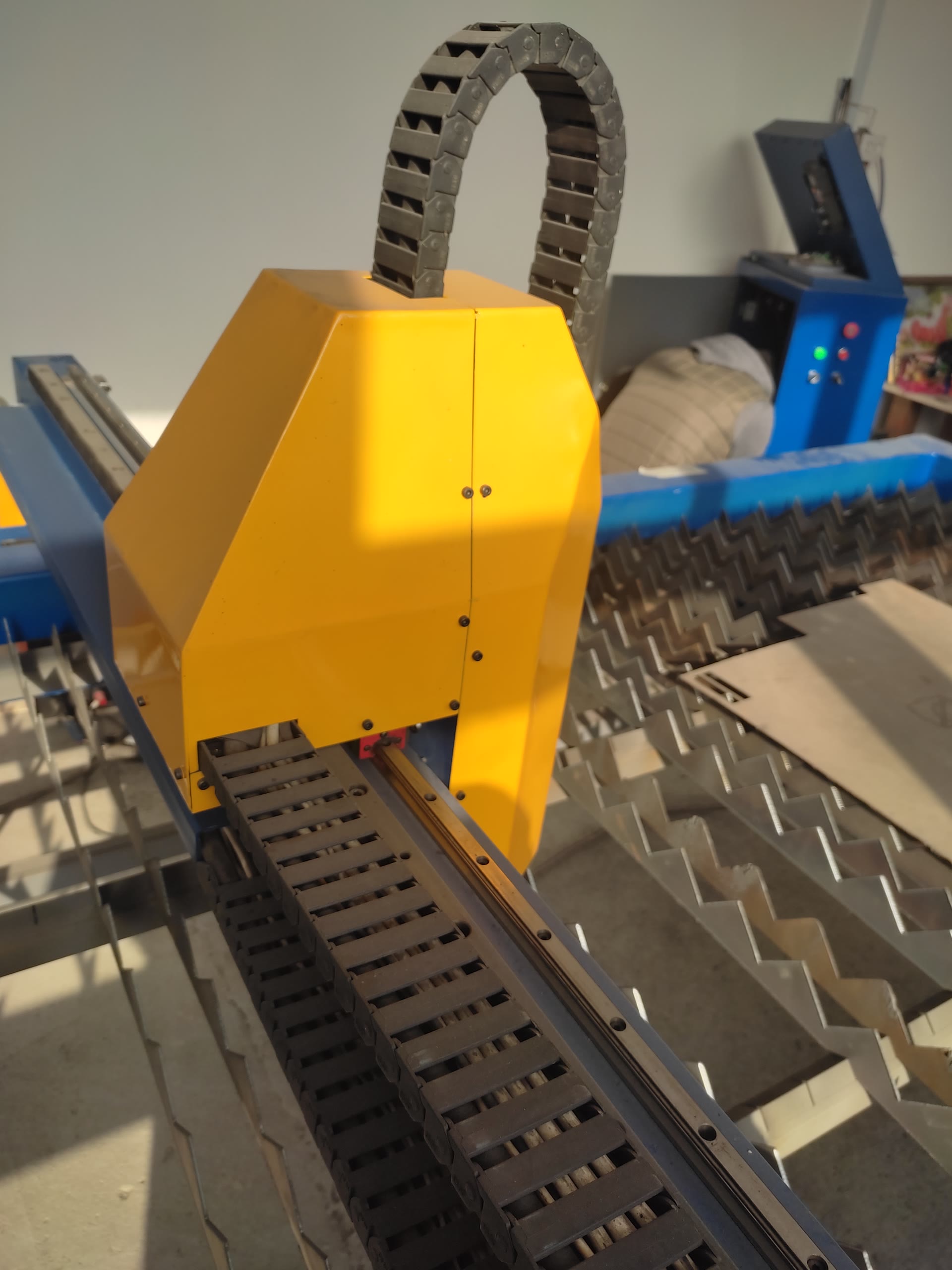
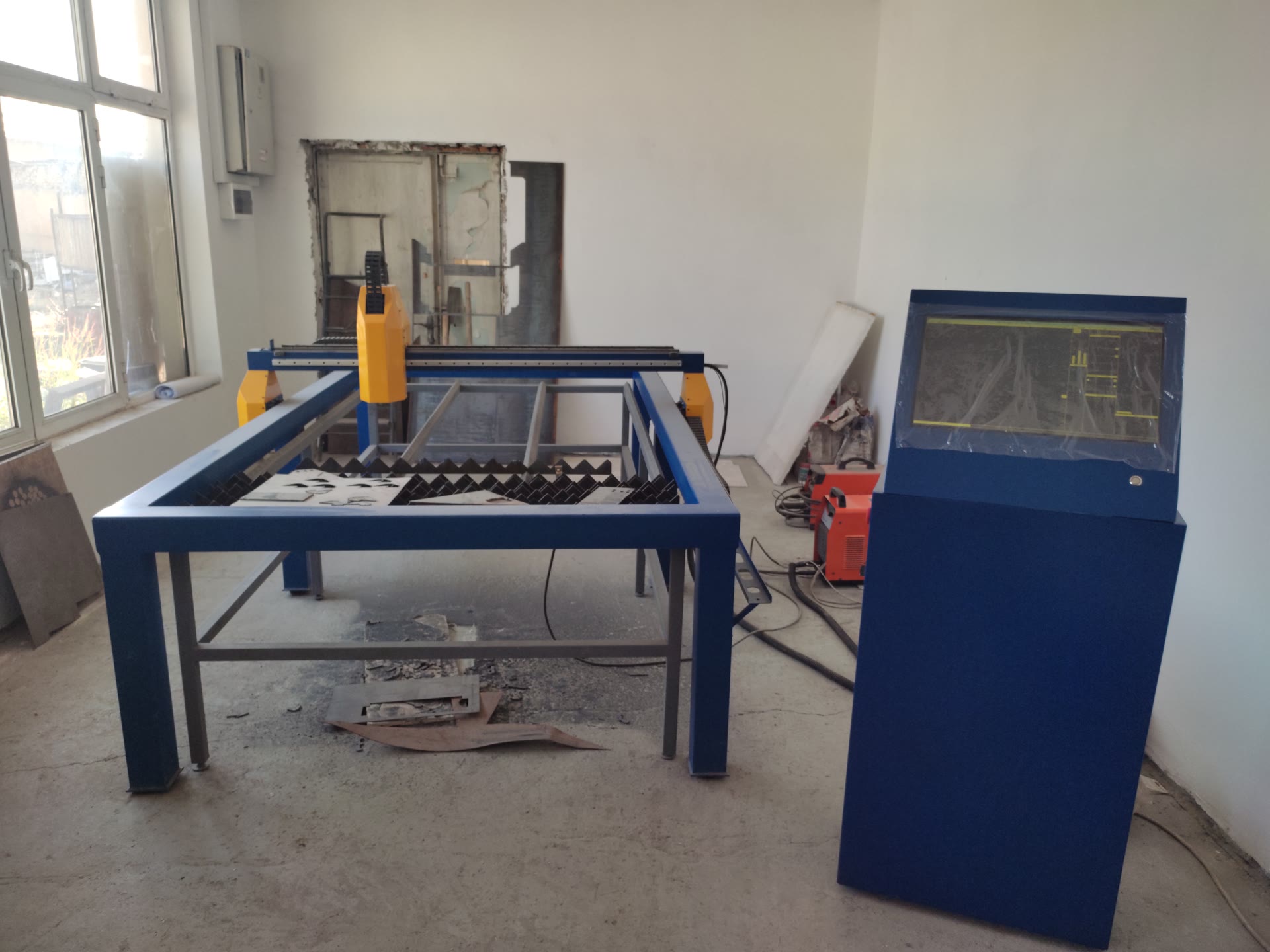
Near-Complete Machine Assembly

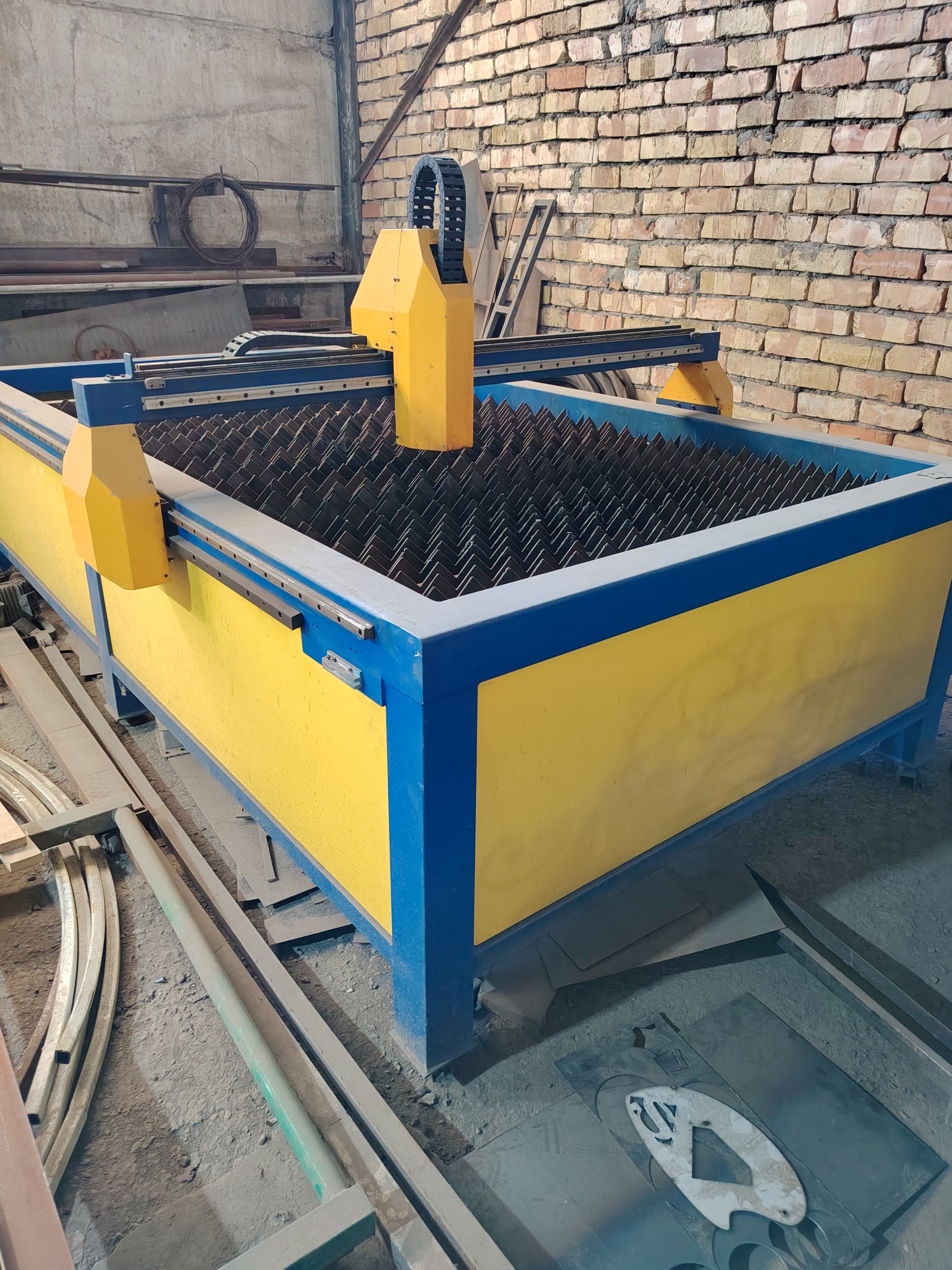
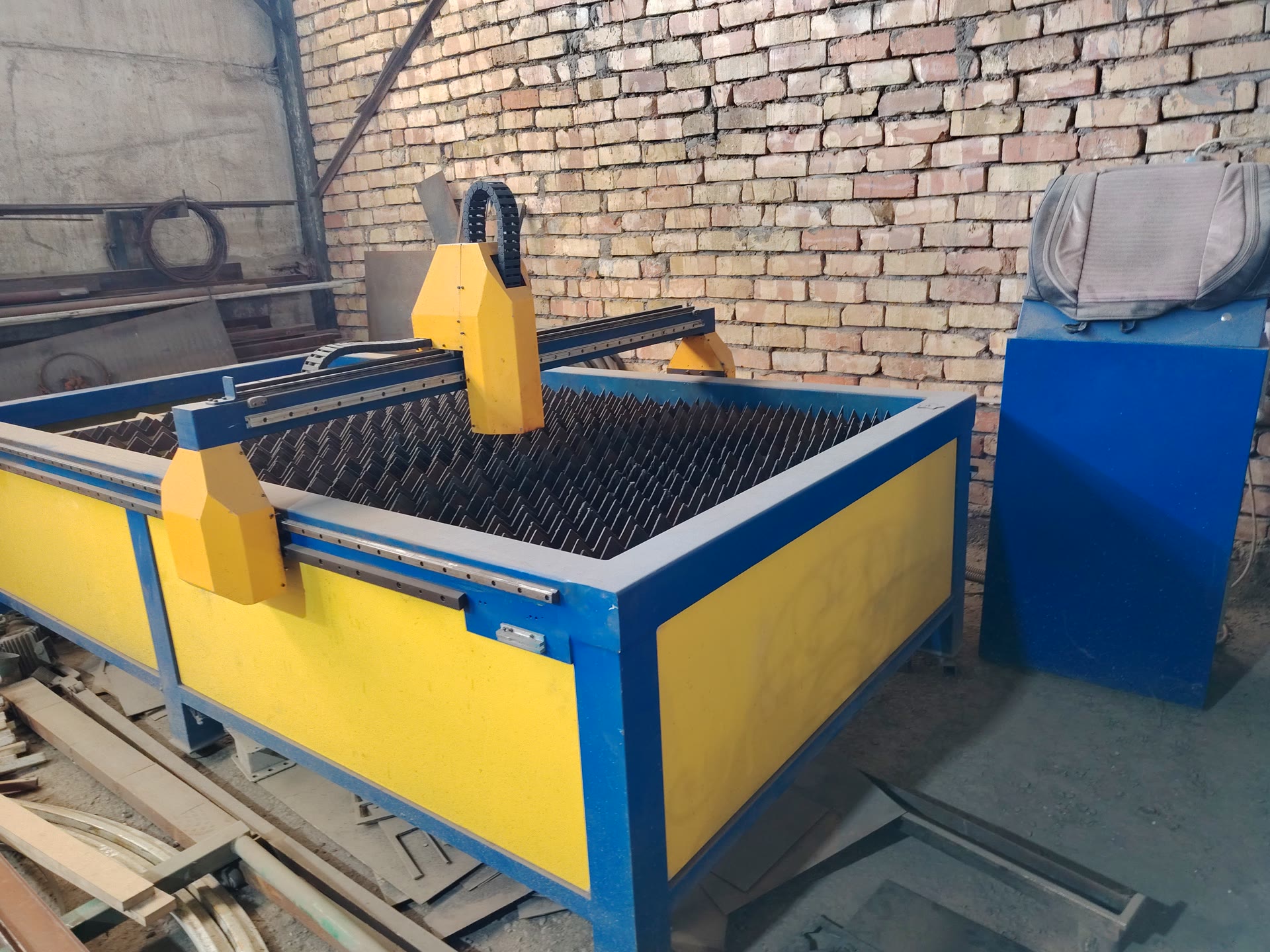
An overall view of the plasma cutter at a late stage of assembly, before the project was fully finished.

The final stage represents the completed CNC plasma cutter after mechanical finishing, electrical integration, control-system setup and commissioning. The finished machine combines the developed mechanical structure and Z-axis system with the electrical cabinet, custom communication electronics, torch height control, Jasic CUT 100 integration and LinuxCNC/QtPlasmaC control environment. The operator station and touchscreen interface provide the working control layer, while the machine is able to reference real sheets, execute programmed paths and perform plasma cutting as an integrated CNC process. The final images show the completed machine with its finished covers, routing and operator equipment. The project was not limited to a prototype demonstration: the machine was subsequently used in a real workshop environment, where the finished system continued to operate as a practical working machine.

QtPlasmaC Documentation

The official QtPlasmaC guide from the LinuxCNC website, saved as a PDF for download. This is third-party documentation from the LinuxCNC project, not material authored by Falmont Edge. Source: https://linuxcnc.org/docs/2.9/html/plasma/qtplasmac.html

QtPlasmaC User Guide

The QtPlasmaC guide published by the LinuxCNC project.

PDFPDF